

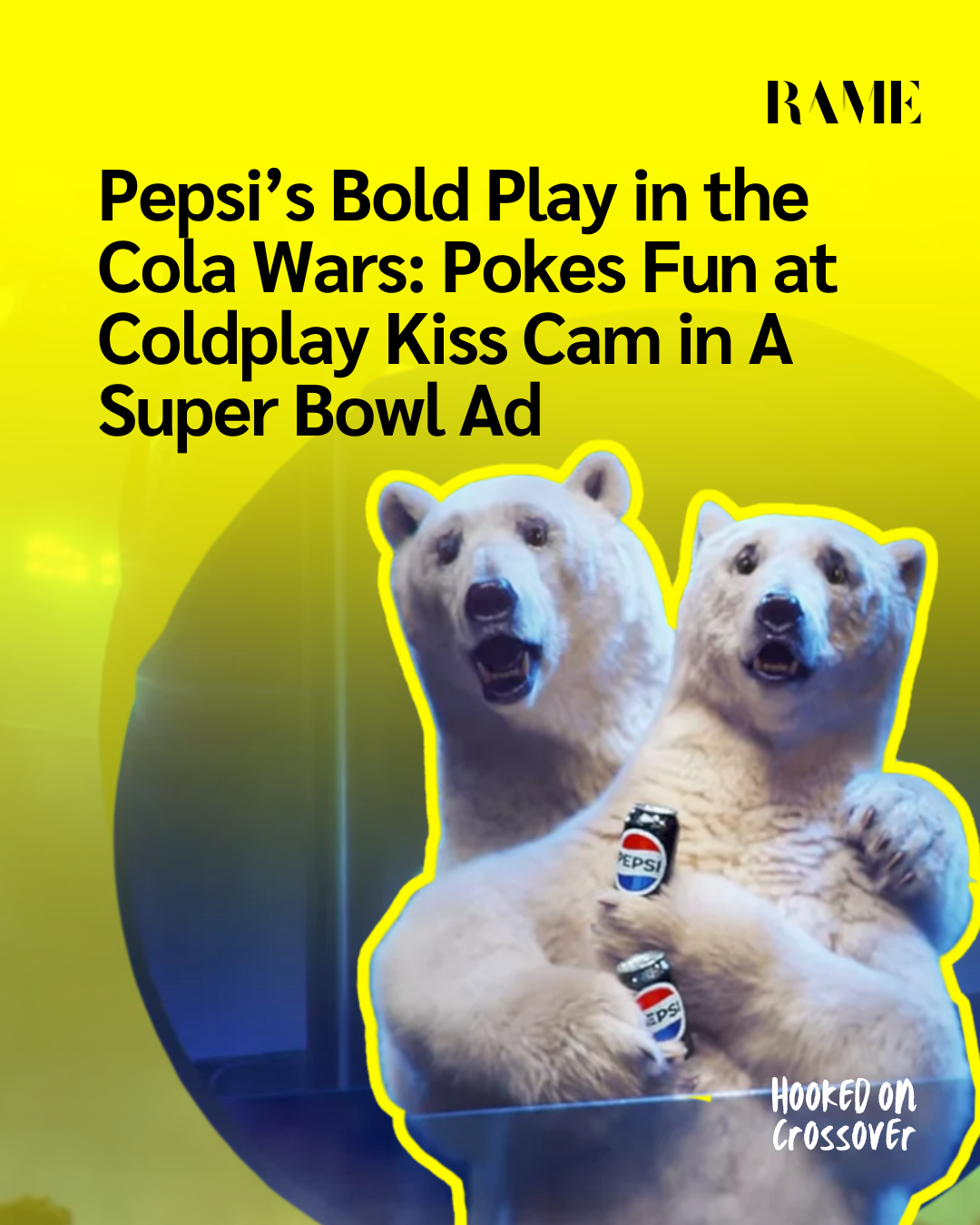
Pepsi is back in the spotlight ahead of Super Bowl LX with a commercial that’s sparking conversation far beyond game day. The newest ad, titled The Choice, directed by Academy Award winner Taika Waititi, doesn’t just promote a beverage it takes a pointed jab at its century‑long rival, Coca‑Cola, while cleverly weaving in a pop culture moment that went viral in 2025.
This is not your usual soda commercial. Here’s the thing: Pepsi is leaning into nostalgia, rivalry and humor to remind audiences why cola preferences sometimes run deep and why they sometimes make for great entertainment.
A Familiar Face in an Unexpected Role
What immediately catches the eye in The Choice is the use of a polar bear an animal long associated with Coca‑Cola’s advertising campaigns. In Pepsi’s spot, the bear participates in a blind taste test, known as the Pepsi Challenge, and chooses Pepsi Zero Sugar over Coke Zero Sugar.
What this does is tap into decades of brand rivalry and flip a well‑known symbol on its head. Instead of Coke’s cozy winter imagery, viewers see the bear confronting its taste preferences and, eventually, a sort of identity crisis. Director Taika Waititi even appears in the ad as the bear’s therapist, offering a humorous critique of its confusion.
“I love a good challenge, so I jumped at the chance to take part…” Waititi said, framing the gig as a joyful dive into what many consider one of pop culture’s most recognizable brand competitions outside of franchise battles between streaming and theatrical releases.
Pepsi Paradox and the Pepsi Challenge
This ad isn’t just about laughs. Pepsi is reviving a piece of its marketing history The Pepsi Challenge, which first launched in 1975. The premise was simple: blind taste tests that asked participants to choose which cola they preferred without brand labels influencing their choice. A refreshed version of that challenge returned in 2025, with Pepsi Zero Sugar reportedly winning preference in all markets where it was tested and 66% of participants favoring its taste.
Pepsi calls this phenomenon “The Pepsi Paradox,” the idea that when branding and bias disappear, taste wins. That concept sits at the heart of the Super Bowl ad and gives Pepsi a thematic anchor around which the playful storytelling revolves.
A Nod to Viral Culture
Pepsi doesn’t stop at cola rivalries. At the end of The Choice, there’s a wink to a real‑world moment that nearly everyone online saw: the Coldplay jumbotron controversy from July 16, 2025. At a concert in Foxborough, Massachusetts, co‑workers Andy Byron and Kristin Cabot appeared on a large screen embracing before abruptly pulling away, turning the scene into an internet sensation.
In Pepsi’s ad, two polar bears, now comfortable with their Pepsi choice, appear on a similar screen at a concert this time, contentedly embracing and sipping their drinks. It’s a clever cultural reference that gives the commercial an extra layer of relatability.
Critical and Audience Reactions
Early indications suggest the ad has hit its mark with audiences and industry watchers alike. According to marketing assessments included in a 2026 advertising review, Pepsi’s The Choice ranked highly among Super Bowl commercials and generated substantial social media buzz, with positive sentiment outpacing negative response.
Some critics point out the nostalgic approach human animation and humor rather than AI spectacle resonates at a time when audiences are weary of overly processed creative work. Others simply enjoy the humorous poke at pop culture and brand rivalries.
What This Spot Means in the Bigger Picture
Here’s the thing. A Super Bowl ad isn’t just a commercial; it’s a cultural moment. Pepsi’s The Choice taps into long‑standing brand narratives, brings back an iconic marketing strategy, and references viral social moments. All of these elements come together in a way that feels both strategic and playful.
But beneath the humor, there’s a challenge for viewers and brands alike: what drives loyalty in consumer culture nostalgia, taste, humor, or the stories we share? Pepsi seems to have an answer, but the broader conversation about brand identity and consumer choice is far from over.