

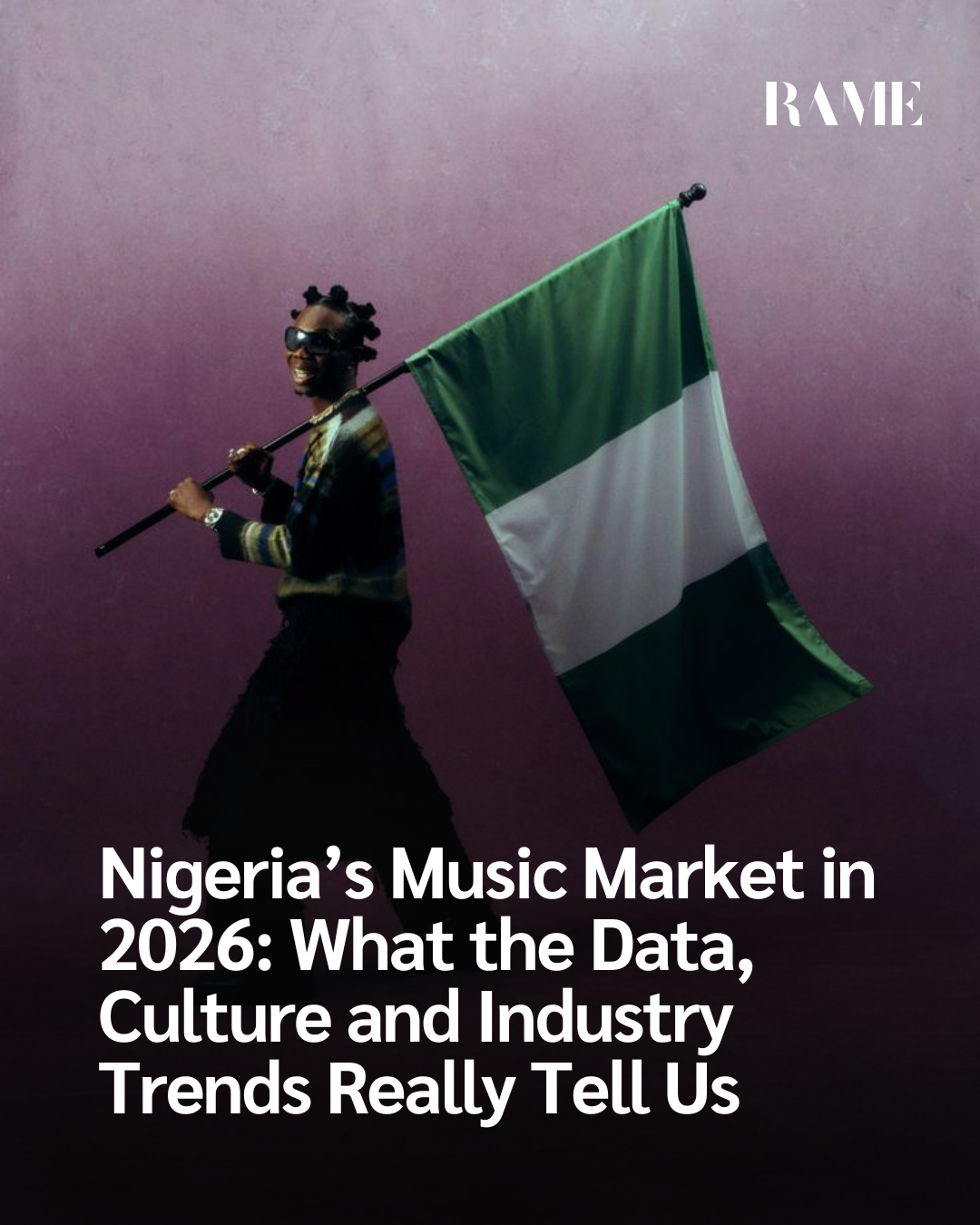
Nigeria’s music industry isn’t just booming it’s transforming. Against the backdrop of a nation of 236.7 million people and a rapidly digitising economy, the music industry has become one of the country’s most visible and globally influential creative sectors. To understand where Nigeria’s music market is headed, you have to look beyond pretty numbers and spot the economic shifts, audience behaviour patterns and the creative forces reshaping the landscape.
According to the CIA World Factbook, Nigeria’s GDP (PPP) is $1.318 trillion with a GDP per capita of $5,700 indicators of a large but developing consumer market. There are 224 million mobile phones in use, but only 39% of the population is online and high-speed broadband remains limited just 117,000 connections with less than one per 100 inhabitants. These digital gaps matter because streaming and online platforms are now primary drivers of music consumption and discovery in the country.
A Streaming Revolution: Young, Local and Globally Curious
Streaming data paints a detailed picture of a market that’s youthful and hungry for content. Platforms like Spotify have reported massive growth: Afrobeats streams within Nigeria shot up more than 5,000% between 2021 and 2025, a surge that dwarfs even the platform’s overall five-year listening growth averaging 163.5%.
Here’s the crucial part: this isn’t just about international hits exporting culture abroad. The data shows Nigerians are listening deeply and diversely at home exploring genres from amapiano to hip-hop and gospel. Indigenous language music, especially Yoruba, Igbo and Hausa content, saw local listening increase by more than 550% in a single year.
This pattern heavy local consumption paired with expanding global reach is significant. It tells us Nigerians are plugged into their own culture first, and that global audiences are following. In the process, artists are becoming both cultural ambassadors and economic players.
The Big Names and Local Stars Driving Growth
Some artists have become more than performers they’re brands onto themselves. Nigerian talents like Wizkid, Burna Boy and Davido have not only dominated local charts but crossed into global playlists and festivals. Wizkid, for instance, was the first African artist to surpass 1 billion streams on Spotify, highlighting how Nigerian music can hit scale on platforms built outside the continent.
Still, it’s not all about the established names. Emerging artists such as Asake and Seyi Vibez have become among the most-streamed artists in Nigeria, signaling a broader pipeline of locally rooted talent.
Live Music, Venues, and Festival Culture
Streaming might dominate headlines, but live performances remain core to the Nigerian music economy. Lagos, Nigeria’s largest city, is the epicentre for concerts and cultural events. Venues like Eko Convention Centre, Balmoral Convention Center, the Landmark Centre and Hard Rock Café host performances ranging from local showcases to sold-out international acts.
Festival culture is equally dynamic. Events such as Flytime Fest, Felabration (a celebration of Fela Kuti’s legacy) and Femme Fest draw both local audiences and tourists, tying music to broader social and cultural experiences.
Influencers, Platforms and Youth Engagement
Nigeria’s online culture isn’t shaped only through music platforms; social media and creators are key accelerators of trends and discovery. TikTok alone has 37.4 million users in the country second only to Facebook and plays a major role in amplifying songs, memes and viral moments. Influencers like Korty EO, Shank Comics, Carter Efe, Peller, OneJoblessBoy and Chinasa Anukam help propel tracks and trends, particularly among Gen Z audiences.
This blend of music and internet culture means that success isn’t just measured in streams it’s also about shareability, virality and cultural relevance. Clips, dances, memes and challenges often translate into chart performance and playlist traction.
Marketing Strategies and Cultural Fit: What Works in Nigeria
For international artists and brands looking to enter the Nigerian music market, there’s a clear playbook emerging from local success stories:
- Collaborate locally. Boomplay’s marketing executive Uwem Brown stresses that alignment with popular Nigerian artists like Wizkid, Burna Boy or Tems, accelerates acceptance and visibility among local audiences.
- Leverage referrals over cold outreach. Nigerians tend to respond better to shared cultural recommendations than broad advertising campaigns.
- Stay relatable. Successful content resonates because it’s delivered in the language, humour and cultural idioms that local audiences use every day from Pidgin English to slang and ad-libs.
Authenticity isn’t optional, it’s a market requirement.
Economic Value and Structural Challenges
There’s a soft power narrative here too. The global appetite for Nigerian music has tangible economic outcomes; Nigerian music payouts from Spotify alone topped 58 billion naira in 2024 more than double the year before.
Yet the industry still faces structural hurdles. Broadband access remains limited, monetisation outside streaming like robust touring infrastructure, fiscal support and creative financing is still developing, and many creators struggle to capture full value from their work.
That contradiction exploding cultural reach alongside uneven economic returns tells you exactly where industry focus needs to be in coming years.
What Comes Next? A Market in Motion
Nigeria’s music market has evolved from a local scene to a global cultural force, driven by streaming, youth engagement and digital platforms. But the story isn’t finished. As infrastructure improves and creative ecosystems mature, there’s potential for even more radical growth with music acting as both cultural export and economic engine.
To competitors, collaborators and creators alike, Nigeria is one of the most dynamic markets on the planet. What happens here won’t stay here, it shapes global music trends, cultural conversations and, increasingly, how African stories are told around the world.