
A Clever Idea That Turns Cooking Pasta Into a Musical Experience
For generations, Italians have treated pasta not merely as a meal but as a cultural ritual. The difference between perfectly cooked pasta and a disappointing plate often comes down to one simple detail: timing.
Now imagine replacing the familiar kitchen timer with music.
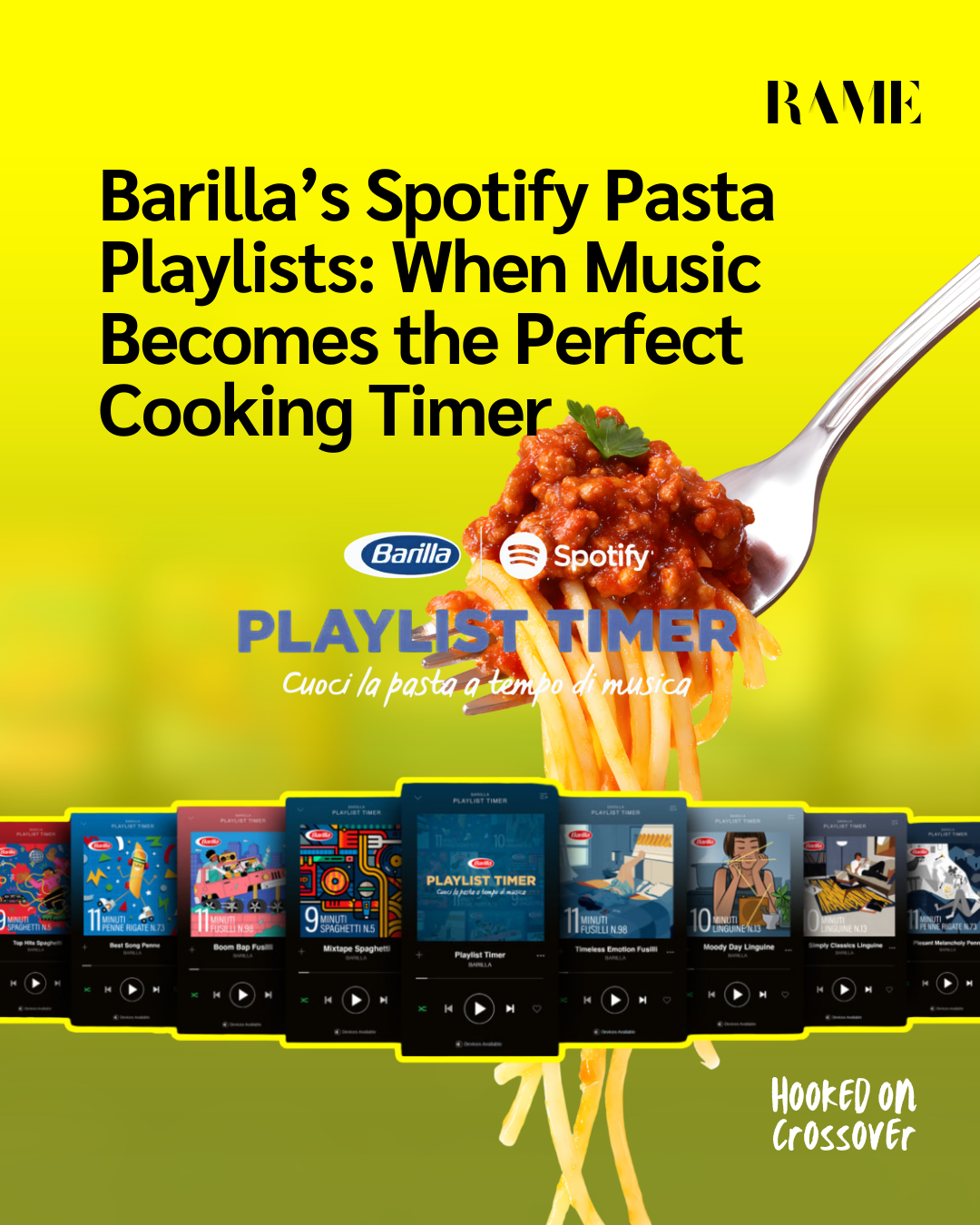
That is precisely the idea behind an inventive marketing campaign by the Italian food giant Barilla. The brand partnered with streaming platform Spotify to launch a set of curated playlists designed to last exactly as long as it takes to cook different pasta shapes. The initiative, called Playlist Timer, blends culinary precision with pop culture, transforming a mundane cooking step into a playful and shareable experience.
The campaign was developed by advertising agency Publicis Italy and has quickly become a standout example of how brands are weaving themselves into everyday digital habits.
Turning Pasta Into a Soundtrack
The premise behind Playlist Timer is simple but effective: press play when the pasta hits the boiling water. When the playlist ends, your pasta is ready.
Barilla created eight playlists, each lasting between nine and eleven minutes, aligning with the recommended cooking time for popular pasta shapes such as spaghetti, linguine, fusilli and penne rigate.
Each playlist pairs a specific pasta with a music genre popular in Italy, including pop, hip-hop, indie and classic hits.
Some of the playlist titles include:
- Mixtape Spaghetti
- Boom Bap Fusilli
- Pleasant Melancholy Penne
- Moody Day Linguine
- Top Hits Spaghetti
- Best Song Penne
- Timeless Emotion Fusilli
- Simply Classics Linguine

According to Publicis Italy, the concept was designed as “an actual kitchen timer on Spotify which turns the waiting into a chance to listen to good music and entertain yourself.”
The playlists are also periodically updated with new tracks, ensuring they remain fresh for repeat cooks and music fans alike.
Marketing in the Age of Streaming Culture
Barilla’s experiment reflects a broader shift in how brands interact with consumers. Rather than relying solely on traditional advertising, companies are increasingly embedding themselves into the platforms people use daily.
Music streaming has become a particularly fertile space for such collaborations.
In recent years, brands across the food and retail sectors have used playlists to create cultural touchpoints. For example:
- Snack brand Late July partnered with Spotify for a “Summer on Spotify” playlist takeover.
- KFC France created a hip-hop playlist highlighting songs that reference the brand.
- Vans collaborated with Spotify on its “Off the Wall Wednesday” playlist.
- Red Lobster launched a romantic playlist as part of a campaign promoting its takeout business.
- Dove teamed up with Pandora to create relaxing playlists tied to self-care.
For marketers, the strategy taps into a simple truth: music is deeply integrated into daily routines. By associating their products with those moments, brands create experiences rather than just advertisements.
The Pandemic Context: Cooking at Home, Differently
The timing of the Playlist Timer campaign was no coincidence.
During the COVID-19 pandemic, home cooking surged globally. Pasta, long considered a convenient and affordable staple, became one of the most searched and prepared meals during lockdowns. According to advertising industry analysis, online searches for pasta cooking times rose sharply during early pandemic months.
Barilla identified a practical frustration among home cooks: getting pasta perfectly al dente can be trickier than it seems.
By transforming a cooking timer into entertainment, the brand offered a small but meaningful solution. Instead of watching a clock, listeners could discover new music, follow a themed playlist and cook with confidence.
The campaign resonated particularly with Gen Z and millennials, audiences that frequently listen to music while cooking and are highly active on streaming platforms.
Music, Taste and the Science of “Sonic Seasoning”
Barilla’s interest in the connection between music and food extends beyond playlists.
In a separate campaign promoting its premium Al Bronzo pasta line, the brand worked with Emmy-winning composer Cristobal Tapia de Veer, known for his score for the HBO series The White Lotus. The project also involved experimental psychologist Charles Spence of University of Oxford.
Spence is widely known for his research into “sonic seasoning,” the theory that sound can influence the perception of taste. His work suggests that certain musical tones, rhythms or pitches can subtly enhance how people experience flavors.
The campaign translated this idea into a sensory soundtrack meant to accompany different pasta shapes. The concept highlights how brands are exploring multi-sensory storytelling, blending gastronomy, psychology and sound design.
A Simple Idea With Powerful Engagement
Despite its simplicity, Playlist Timer proved remarkably effective in generating engagement.
The campaign reportedly generated more than 1.8 million social media interactions, while listeners streamed over 510,000 minutes of music tied to the playlists.
For marketers, the success underscores an important principle: utility often drives engagement more effectively than overt promotion. The playlists solved a small but real problem while entertaining consumers.
As one advertising industry judge noted when evaluating the campaign, the brilliance lies in its simplicity. The idea takes something people already do—listen to music while cooking and transforms it into a functional tool.
The Future of Branded Experiences
Barilla’s Spotify collaboration points to a wider trend in brand storytelling. Increasingly, companies are moving away from interruptive advertising toward experiences that feel native to digital culture.
A playlist that doubles as a pasta timer may seem playful, even whimsical. Yet it also demonstrates how brands can embed themselves seamlessly into daily routines.
The next frontier may lie in further blending food, technology and sensory science. If sound can influence taste and a playlist can guide cooking, the kitchen could become one of the most creative frontiers for brand innovation.
For now, Barilla has proven one thing: sometimes the perfect pasta doesn’t need a timer. It just needs the right song.