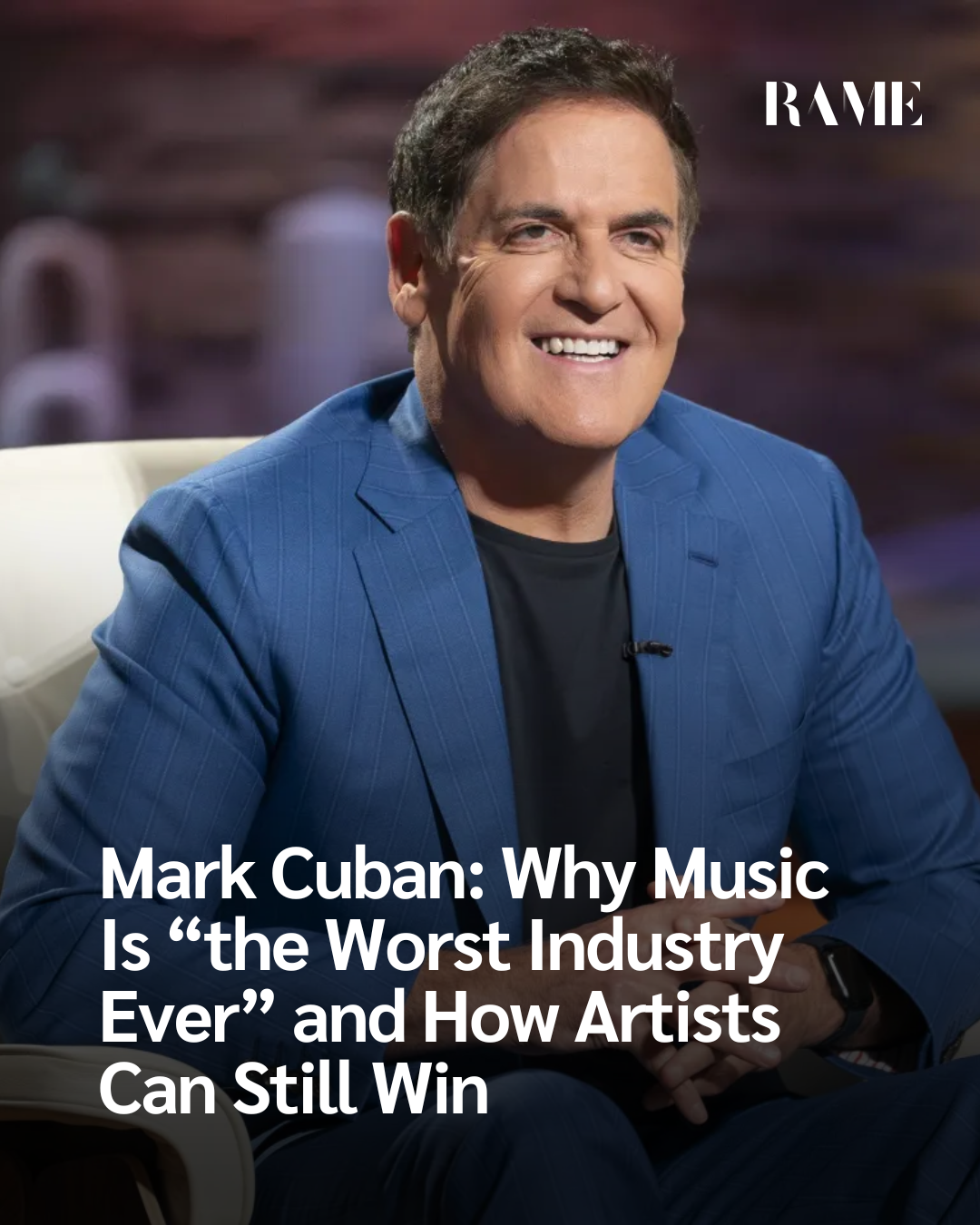
Image Credit – Christopher Willard / Getty Images
When Mark Cuban stepped onto the Billboard On The Record stage in Austin during South by Southwest, he didn’t come with the usual cheerleading for music’s future. Instead, he dropped a line that made seasoned artists and industry veterans wince: music may be “the worst industry ever.” What he really meant was more layered tough to invest in, brutally competitive for artists, and now reshaped by technology that’s rewriting the rules. Mark Cuban offered more than critique; he laid out a framework for how artists might still find ways to succeed in this changed terrain.
The Investor’s View: Why Music Isn’t Like Other Industries
Mark Cuban didn’t pull his critique out of thin air. From his perch as an entrepreneur and investor, he sees music through the lens of cash flow and risk. Unlike sectors where predictable models exist tech platforms with clear monetization paths, real estate returns, consumer staples music breaks both expectations and conventional investment logic.
As he explained, treating music as an asset class might make sense for big catalog buyers (think legacy songs with steady licensing income), but it feels out of touch with the lived reality of most creators. Financial firms like KKR and Shamrock Capital have poured big money into catalogs precisely because they generate stable returns almost like owning an apartment building with reliable rent. But that model ignores the creative heart of music and can feel dehumanizing to artists.
The key tension here is structural: investors look for predictable revenue streams and scalable models, while artists chase cultural impact and audience connection metrics that don’t easily fit into traditional investment frameworks.
Algorithms and the New Gatekeepers
Here’s the thing: music as art used to have gatekeepers like radio programmers, record labels, and press who decided what got heard. Now the gatekeepers are algorithms. Platforms such as Spotify, YouTube and TikTok use machine learning to decide what content shows up in feeds and playlists. That’s a big reason Mark Cuban says it’s so hard to “pop out on the other side”: you’re not just making a song, you’re gaming a recommendation engine.
This shift hasn’t been lost on the academic world either. Research shows platforms like TikTok have a measurable effect on music demand and discovery, with their algorithms amplifying tracks that fit patterns of engagement, often at the expense of deeper catalog or artist diversity.
At the same time, algorithms aren’t just about discovery they’re influencing creators’ behavior too. Artists increasingly tailor work to what algorithmic systems reward, reinforcing trends and potentially narrowing the definition of “successful music.”
AI: A Tool and a Threat
Mark Cuban’s take on AI mirrors a broader industry debate. He sees AI as something that could reshape how music is made, marketed and consumed, but not something that replaces the human creative core. That aligns with his broader view that AI should augment, not substitute, human creativity.
Outside experts warn that AI could flood streaming platforms with machine‑generated content, making it harder for human artists to get visibility because sheer volume dilutes attention. Some platforms already show a meaningful portion of uploads are AI-produced.
There’s also an ethical dimension: artists and industry bodies are pushing for transparency around AI training processes and clear labeling of AI‑generated tracks to avoid commodifying human creativity as raw material.
But Mark Cuban suggests a more pragmatic approach: artists who learn to harness AI tools could gain an edge in how they make and promote their music. Tools that automate production tasks or help with marketing could save time and help creators focus on connection and performance.
What Artists Can Learn from an Investor’s Critique
If you strip away the provocative phrasing, Mark Cuban’s argument boils down to a few key lessons for artists trying to succeed today:
Think like an entrepreneur. Music today demands business acumen, not just creative talent. Artists need to understand market dynamics, engagement metrics and how to build fan communities.
Use technology strategically. AI and algorithms aren’t going away. Creators who learn how to use these tools to enhance production, distribution and fan communication are better positioned.
Diversify your revenue streams. Reliance on streaming alone is a risky game. Touring, merchandise, sync licensing and other direct fan experiences remain essential parts of a sustainable career.
Build real connection with audiences. Algorithms can push content, but genuine human engagement — especially via live performance or direct fan relationships is something technology can’t replicate.
Why This Matters Beyond the Industry
Mark Cuban’s comments resonate because they mirror a larger cultural and economic shift. Music used to be a product people collected. Now it’s a data point in playlists and feeds. That’s not good or bad in isolation, but it does explain why so many artists struggle to break through.
To thrive in this environment, creators need to balance artistry with strategy. Understanding data, leveraging tools thoughtfully, and maintaining a clear creative identity could be the difference between getting lost in the noise and building a lasting career.
Conclusion
Mark Cuban didn’t call music the “worst industry ever” to dismiss it; he framed that idea to provoke a deeper conversation about what success means in a digital age. The industry’s structures have shifted dramatically and that creates both barriers and opportunities. Artists who understand the economics, embrace new technologies without surrendering artistic integrity, and build authentic connections with audiences stand the best chance of turning a tough landscape into a sustainable career. As Mark Cuban’s perspective underscores, creativity without strategy may be admirable, but creativity with a roadmap is what builds careers that last.