

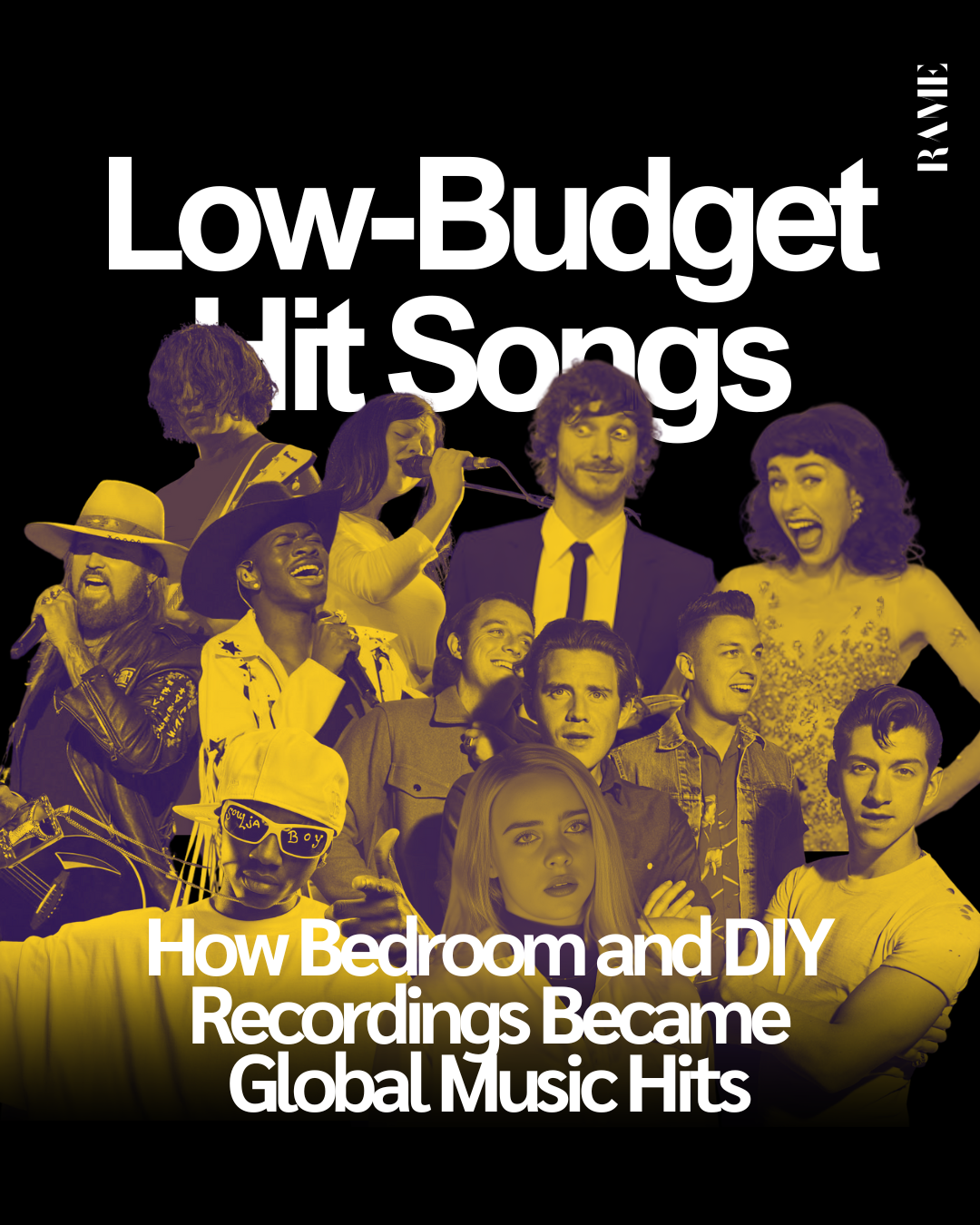
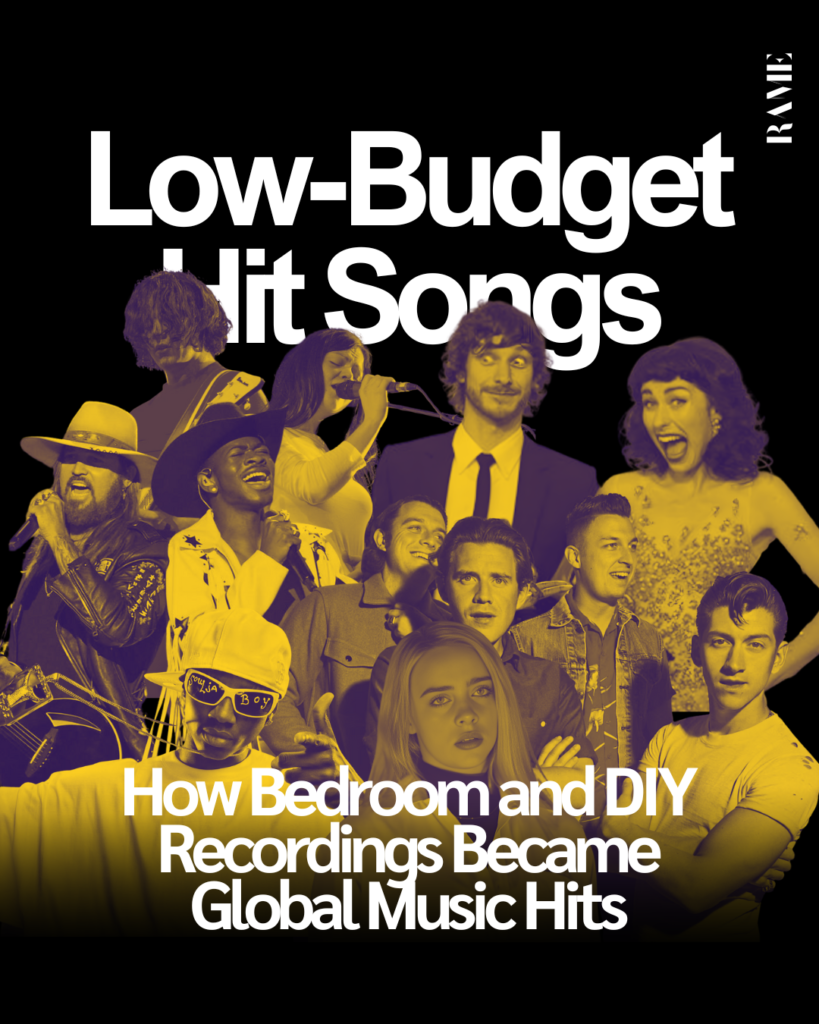
In an era where bedroom producers can shake up global charts, the old idea that only big studio budgets make big hits feels outdated. Recent data and music history show that some of the most enduring and commercially successful tracks of the past two decades came together for a few hundred or thousand dollars sometimes in home setups, bedrooms, or modest local studios. These songs didn’t just break through they reshaped how the music business thinks about production, distribution and artistic empowerment.
When Dirt-Cheap Production Yields Diamond Streams
Here’s the startling reality: iconic tracks like Somebody That I Used to Know, Old Town Road or Crank That (Soulja Boy) weren’t born in multimillion-dollar studios. They were made with minimal budgets but reached billions of listeners worldwide.
Take Somebody That I Used to Know. Written and recorded by Australian musician Gotye (real name Wouter “Wally” de Backer) at his parents’ house in Victoria, the song became a global smash, topping charts across continents and winning multiple Grammys. It’s been streamed billions of times on Spotify alone.
Similarly, Lil Nas X bought the beat for Old Town Road for around thirty dollars and laid down the track in a home or low-cost studio setup. That song went on to break records with an unprecedented run of 19 consecutive weeks atop the U.S. Billboard Hot 100.
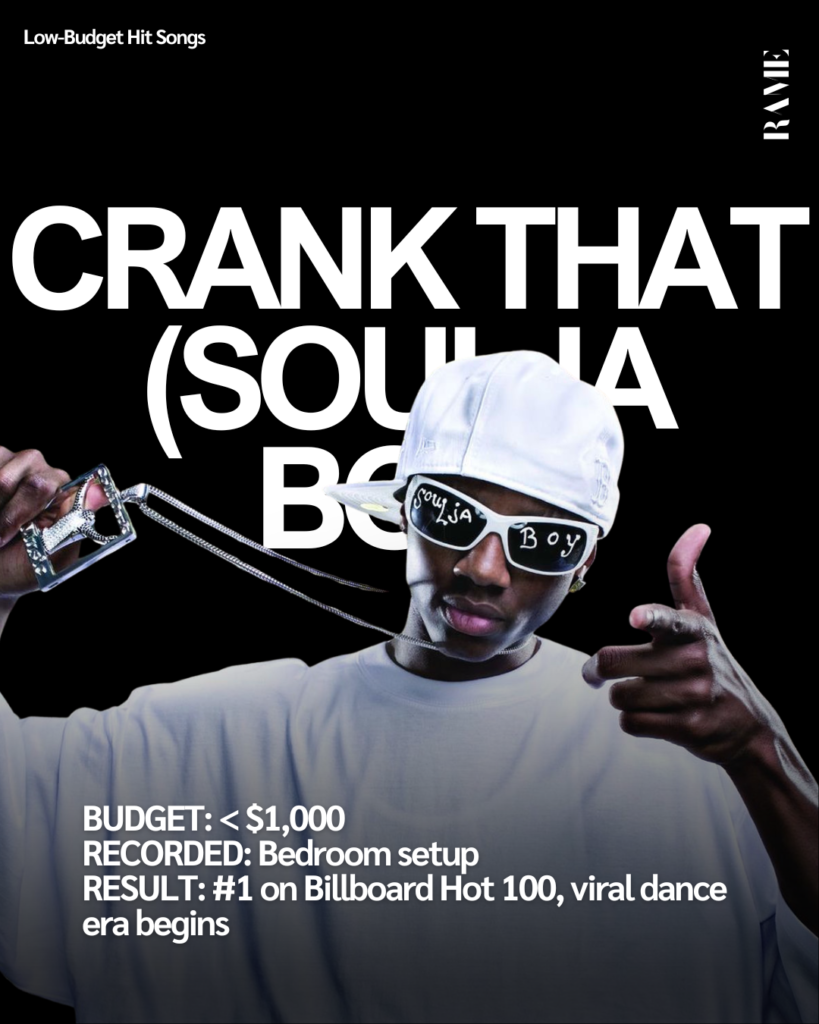
Crank That (Soulja Boy), a self-produced single by Soulja Boy Tell ’Em, dominated the charts and helped pioneer internet-driven music marketing, with its viral dance challenge spreading through early social platforms long before TikTok existed.
These successes underline a broader trend: cost is no longer the gatekeeper it once was.
The Technology Shift: Tools That Open Doors
What made this possible? Affordable recording software, better home-studio gear, and digital platforms for distribution. A few decades ago, artists needed expensive analog consoles, dedicated engineers, and weeks of studio time to produce a demo. Today, software like Ableton Live, GarageBand or FL Studio, paired with a decent microphone and audio interface, can produce industry-ready tracks from laptops in bedrooms.
These digital audio workstations (DAWs) do far more than basic recording. They let musicians edit, mix and shape sound with tools once reserved for elite pro studios. That’s lowered barriers to entry and made music production something an artist can control end-to-end.
This democratization doesn’t stop at production. Platforms like SoundCloud, Bandcamp and streaming services enable direct releases without label gatekeepers, while social networks amplify fan-driven promotion and viral sharing.
The result? Artists today play in a fundamentally different game.
DIY Success Stories That Redefine “Professional”
Here’s a snapshot of how low-cost creation translated into high-impact success:
- Somebody That I Used to Know was crafted in a home space, yet racked up multi-platinum sales and broad cultural reach.
- Old Town Road’s minimal beat purchase and home recording didn’t stop it from becoming one of the most recognizable hits of the decade.
- Crank That’s simple production paired with a viral dance fostered a generation of internet-first artists.
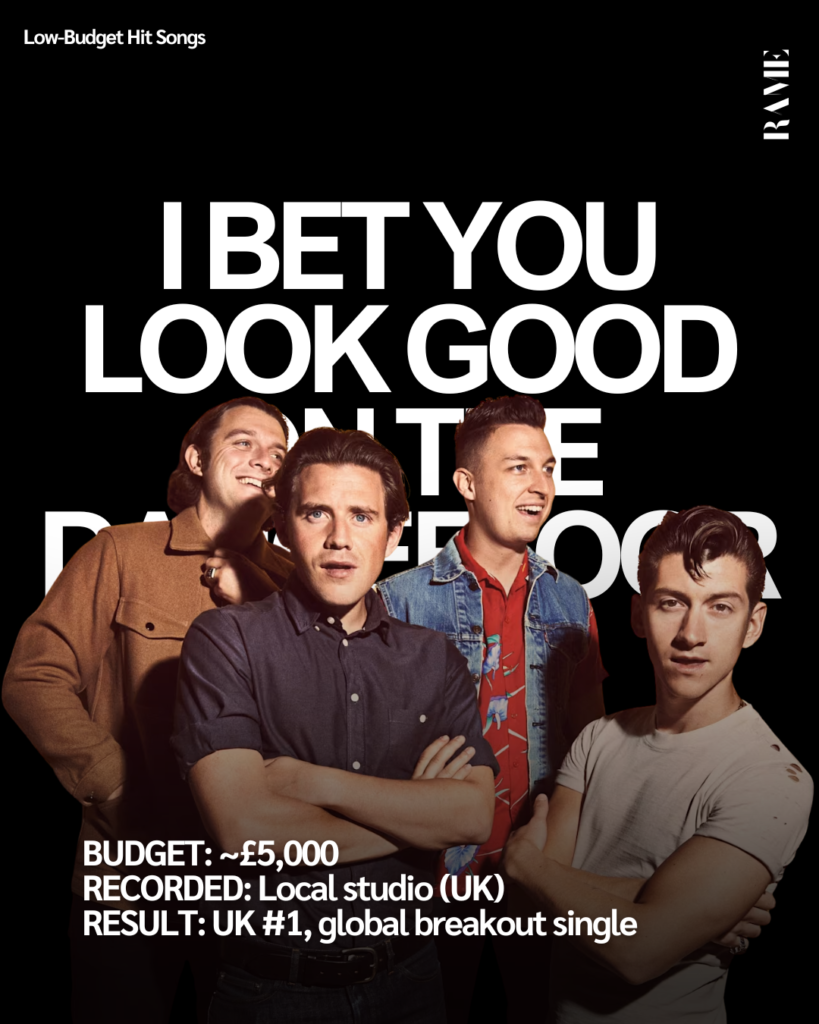
- Seven Nation Army and I Bet You Look Good on the Dancefloor may have had slightly higher studio inputs, but their enduring appeal comes as much from iconic hooks and grassroots fan momentum as high-end budgets.
These stories dismantle the idea that you need deep pockets to make culture-defining art.




What This Means for the Music Industry
The economic and creative terrain of music is now more fluid than ever:
- Home studios are powerful: Affordable gear and software mean new artists can prototype, iterate and finish tracks without label budgets.
- Creativity trumps cost: Songs with raw energy or distinct identity often resonate more than overly engineered ones. Fans connect with authenticity.
- Distribution is decentralized: Artists can build audiences directly, without traditional marketing machines.
But there’s a flip side. With millions of songs released every week, standing out in a saturated market remains a huge challenge. Not all low-budget music will break through but these standout examples show it’s possible.
Looking Ahead
The music business isn’t just reacting to technology it’s been reshaped by it. What once seemed like a barrier studio budgets, label backing has become one of many pathways to success. As tools get cheaper and platforms more powerful, the next generation of hits could come from any corner of the world, from bedrooms, basements or makeshift garages.
So here’s the thing: creative voices no longer need permission from gatekeepers. If a track connects, it finds ears. And maybe that’s the biggest shift of all.