

A New Front Row: Ticketmaster Enters the AI Conversation
The way people discover live events is quietly undergoing a major shift. Instead of scrolling through search engines or social feeds, fans are increasingly turning to AI assistants to guide their choices. Now, Ticketmaster is positioning itself at the center of that shift.
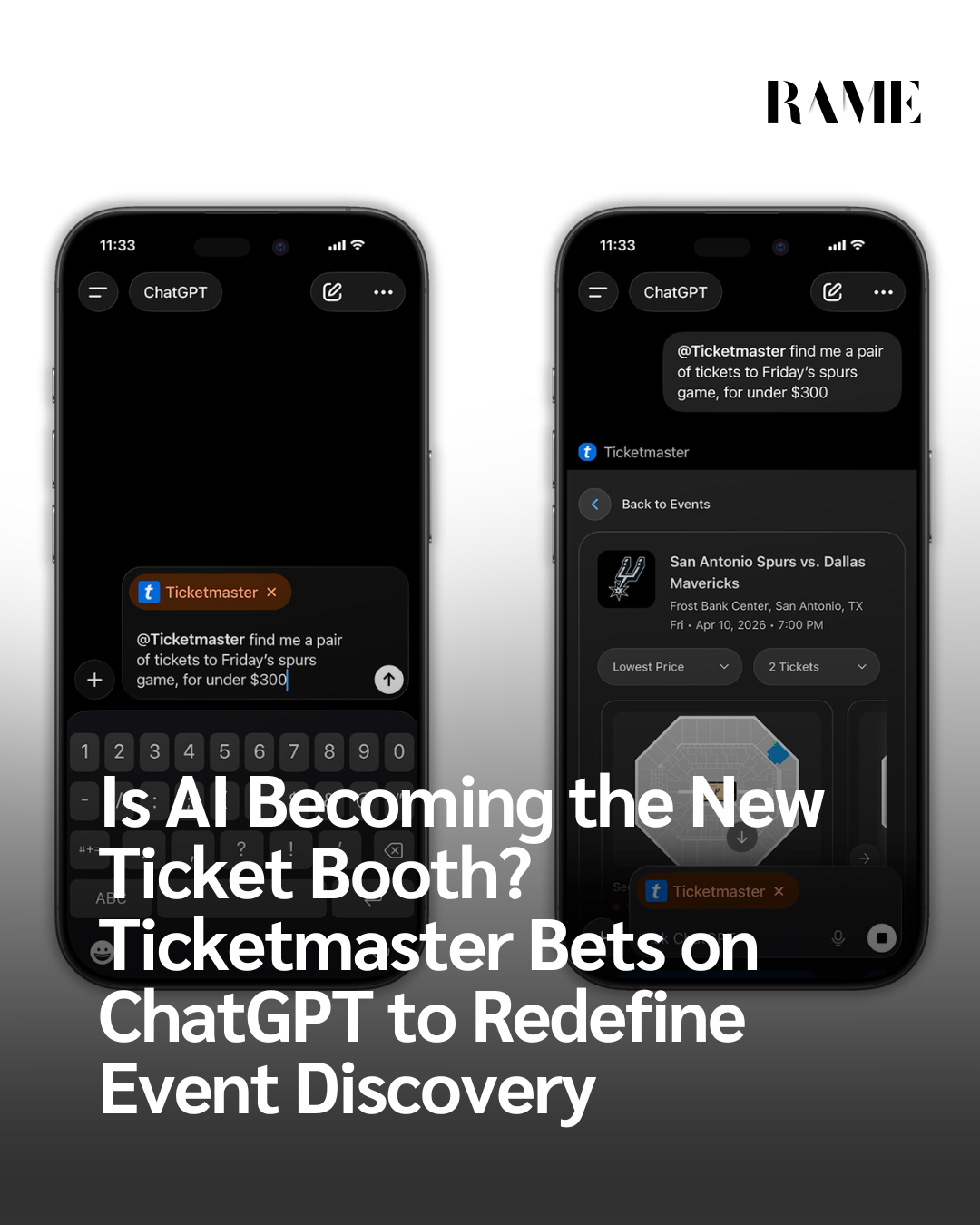
In a significant move, the Live Nation-owned ticketing giant has launched a dedicated app inside ChatGPT, allowing users to search for concerts, sports games, and live events through natural conversation. The integration reflects a broader industry pivot toward AI-powered discovery, where decisions are made in real time, within a single interface.
How the Integration Works
The Ticketmaster app is housed within ChatGPT’s Apps Directory, part of a broader ecosystem introduced by OpenAI in late 2025. Once connected, users can activate the service by typing prompts beginning with “@Ticketmaster.”
From there, the experience is designed to feel intuitive:
- Ask: “What concerts are near me?”
- Explore: Interactive listings tailored to preferences
- Compare: Seating options and pricing in real time
- Buy: Redirected to Ticketmaster’s platform for checkout
This conversational flow removes friction from the discovery process, compressing what used to be multiple steps into a single dialogue.
Ticketmaster framed the shift clearly in its announcement:
“Discovery is no longer limited to search engines or social platforms, as more fans turn to AI platforms like ChatGPT to find events, compare options, and make decisions in real time.”
AI as the New Discovery Engine
Here’s the bigger picture: Ticketmaster isn’t just adding another sales channel. It’s betting on a behavioral shift.
Traditionally, event discovery has relied on:
- Search engines like Google
- Social platforms like Instagram or TikTok
- Dedicated apps or newsletters
But AI changes the dynamic. Instead of browsing, users ask. Instead of filtering, they converse. That subtle shift has major implications.
With an estimated 900 million weekly active users, ChatGPT represents a discovery layer that sits above the traditional internet. And importantly, it’s a space where intent is often clearer. Someone asking “What’s happening this weekend?” is already halfway to making a decision.
This creates a powerful opportunity for what Ticketmaster calls “paid discovery”, essentially blending recommendations with advertising at the exact moment of intent.
A Competitive Race: SeatGeek and the Rise of AI Ticketing
Ticketmaster isn’t alone in this space. Rival platform SeatGeek launched its own ChatGPT integration in March, signaling the start of a new competitive front in ticketing.
The difference now isn’t just inventory or pricing. It’s who controls the discovery layer.
If AI platforms become the primary gateway for event search, companies like Ticketmaster and SeatGeek will be competing not just for customers, but for visibility within AI-generated responses.
The Expanding ChatGPT Ecosystem
Ticketmaster’s integration is part of a broader push by OpenAI to turn ChatGPT into a multifunctional platform.
Since launching its apps ecosystem in October 2025, partners have included:
- Spotify
- Booking.com
- Canva
- Coursera
- Expedia
- Figma
- Zillow
More recently, ChatGPT integrated with Shazam, enabling users to identify songs directly within the chatbot.
This growing ecosystem signals OpenAI’s ambition to make ChatGPT not just an assistant, but a gateway to services across industries.
Ticketmaster’s Broader Platform Strategy
The ChatGPT launch is just the latest in a series of integrations aimed at embedding Ticketmaster into everyday digital experiences.
- Shazam (2024): Event links tied to recognized songs
- Snapchat (2022): Snap Map integration for nearby events
- Spotify: Concert listings tied to artist profiles
Each move follows the same logic: meet users where they already are, rather than pulling them into a standalone app.
The ChatGPT integration takes that strategy one step further by embedding Ticketmaster into decision-making itself.
Monetization Meets AI: The Role of Sponsored Results
Another layer to watch is advertising. OpenAI has begun testing sponsored placements within ChatGPT, and Ticketmaster is among early participants.
This raises important questions:
- Will AI recommendations remain neutral?
- How will sponsored results be disclosed?
- Could this reshape digital advertising economics?
For Ticketmaster, the upside is clear: reaching fans at the exact moment they’re deciding what to do.
But for users, the line between recommendation and promotion may become harder to distinguish.
Legal Clouds: Antitrust Pressures Continue
Even as Ticketmaster expands into AI, it faces mounting legal scrutiny.
The ongoing antitrust case against Live Nation Entertainment and Ticketmaster recently reached closing arguments in federal court in Manhattan. According to Associated Press, the jury has begun deliberations after reviewing testimony from a five-week trial, including input from music industry experts.
The case centers on allegations of monopolistic practices in live event ticketing, a longstanding criticism of the company’s dominance.
The timing is notable. As Ticketmaster pushes into new digital territory, regulators are still examining its control over the existing market.
What This Means for the Future of Live Events
Here’s the real takeaway: the battle for event ticketing is no longer just about supply and demand. It’s about where discovery happens.
If ChatGPT and similar AI platforms become primary entry points for consumer decisions, companies that integrate early could gain a lasting advantage.
But it also shifts power toward platform owners like OpenAI, who ultimately control visibility, rankings, and access.
The Bigger Question
Ticketmaster’s move raises a broader, more unsettling question:
If AI becomes the main way people discover experiences, who decides what gets seen?
Is it the best option, the closest event, or the highest bidder?
For now, the experience feels convenient, even helpful. But as AI platforms evolve into marketplaces, the rules shaping those recommendations will matter more than ever.
And the next time you ask, “What should I do this weekend?”, the answer may not just reflect your preferences, it may reflect an entire ecosystem competing quietly behind the scenes.