A Strategic Shift in the Business of Fandom
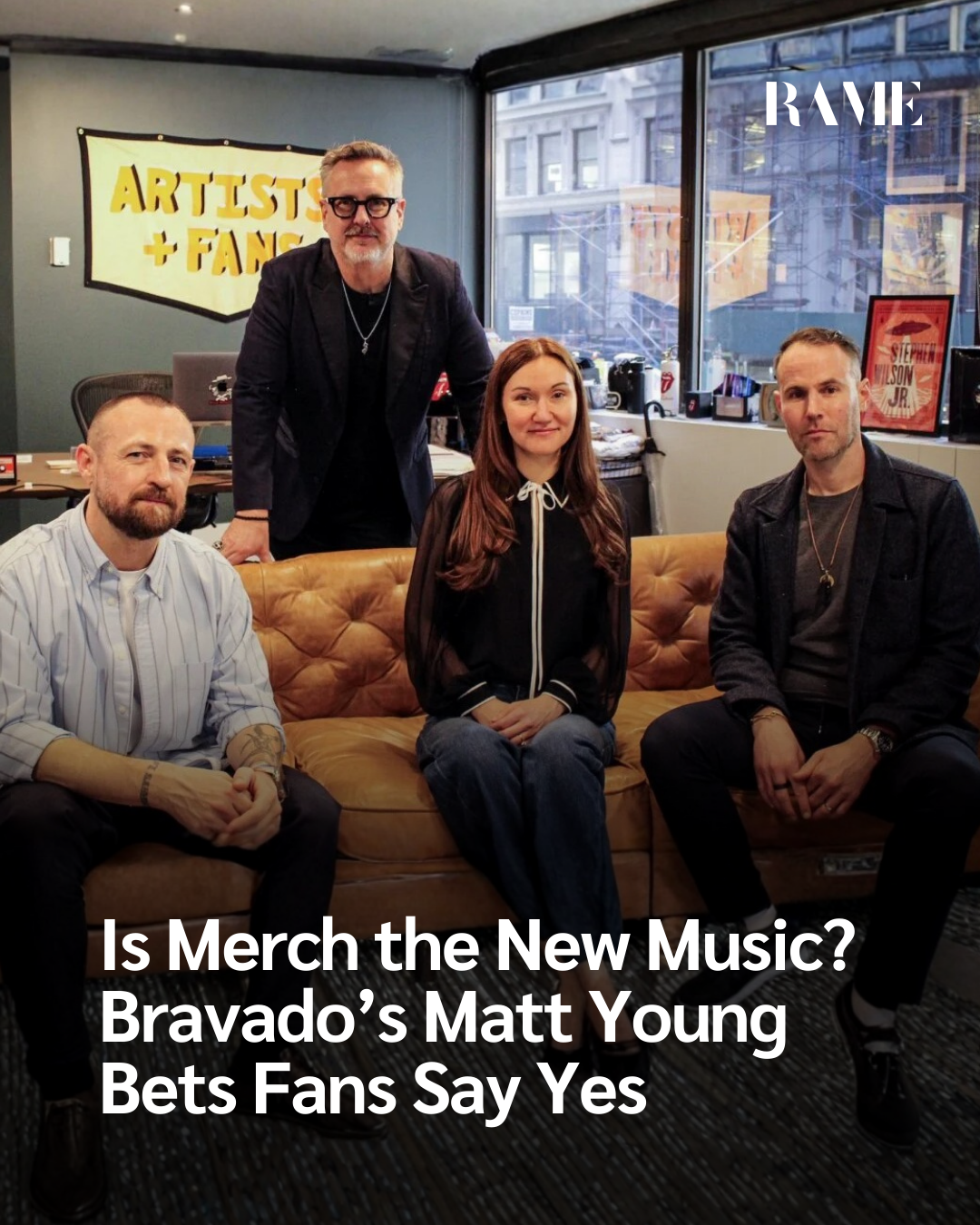
In an era where fandom is as valuable as music itself, Universal Music Group is doubling down on its merchandise powerhouse, Bravado. The appointment of Matt Young as CEO marks more than a leadership reshuffle. It signals a broader industry pivot toward deeper fan engagement, diversified revenue streams, and the growing influence of artist-driven commerce.
As traditional music revenues plateau and touring dynamics evolve, merchandising has become a critical battleground. Bravado’s newly reinforced executive team reflects that urgency.
Matt Young’s Promotion Signals Continuity and Expansion
Matt Young’s elevation from President to CEO formalizes a leadership role he has effectively been shaping since joining Bravado in 2021. Based in New York, Young continues to report to Boyd Muir, Chief Operating Officer of Universal Music Group.
Muir underscored the strategic importance of merchandising in today’s music ecosystem:
“Creating products for superfans is integral to how artists express their creative vision and forge lasting connections beyond the music itself.”
Young’s mandate is clear: scale Bravado’s global footprint while keeping artist identity at the center of every product and experience.
A New Executive Line-Up Built for Scale
Operational Backbone: Eric Mackay Joins as General Manager
Eric Mackay steps in as General Manager, bringing over 25 years of experience across the music and digital sectors. His previous roles include leadership positions at Warner Chappell Music, VEVO, CELAS, White Noise, and Integral Management.
Bravado describes his role as central to “connecting teams, sharpening execution, and delivering maximum impact.” In practical terms, Mackay is expected to streamline operations across a globally distributed business.
Growth Engine: Dan Goldberg Leads Strategy & New Ventures
Dan Goldberg joins as Senior Vice President of Strategy and New Ventures, a newly created role that reflects Bravado’s ambitions beyond traditional merchandise.
Goldberg previously built the Music & Entertainment division at Fanatics and held a senior role at Warner Music Group’s artist services arm, now known as WMX.
His remit includes expanding into adjacent verticals such as sports, fashion, and culture-driven partnerships. This mirrors a wider industry trend where merch is no longer just apparel but a lifestyle extension of the artist brand.
Artist-Centric Leadership: Amy Zaglauer and Rachel Redfearn
Amy Zaglauer has been promoted to Senior Vice President of Artist Strategy. Having previously worked with Warner Music Group, Atlantic Records, and Fueled By Ramen, Zaglauer acts as a crucial bridge between artists and Bravado’s commercial operations.
Meanwhile, Rachel Redfearn continues as SVP of A&R, leading efforts to sign new talent and expand Bravado’s artist roster.
Together, these roles reinforce a key principle: merchandising success depends on authentic alignment with artist identity.
Merchandising as a Growth Engine for the Music Industry
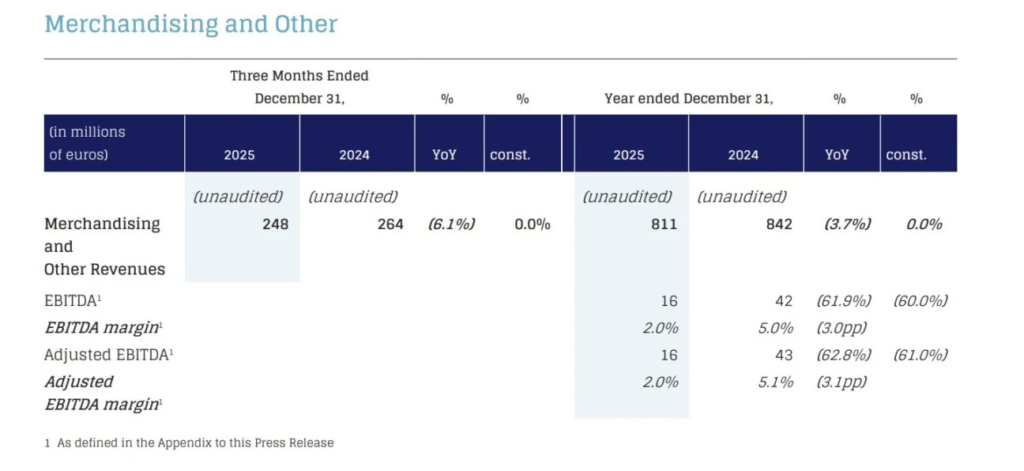
Bravado’s evolution comes at a pivotal time. UMG reported €811 million in annual “Merchandising and Other” revenue for 2025, remaining flat year-over-year. While touring merchandise showed growth, it was offset by softer direct-to-consumer sales following a strong prior year.
This plateau highlights both a challenge and an opportunity.
The opportunity lies in innovation. Bravado has already begun experimenting with sustainability and experiential commerce. Its collaboration with Billie Eilish on an upcycling initiative signals a shift toward environmentally conscious merchandise, an area increasingly important to younger audiences.
Industry analysts point to three key growth levers:
- Direct-to-fan ecosystems: Reducing reliance on retail channels
- Experiential merchandising: VIP packages, tour-linked exclusives
- Cross-industry partnerships: Sports, fashion, and lifestyle integrations
Goldberg’s appointment suggests Bravado is actively pursuing all three.
The Bigger Picture: Merch Is No Longer an Add-On
What this leadership overhaul really points to is a redefinition of what merchandising means.
Young captured this shift succinctly:
“The work we do brings fans deeper into an artist’s world in ways that are meaningful, lasting, and real… In the equation of Artists + Fans, we are the plus sign.”
That framing reflects a broader transformation across the music business. Merch is no longer secondary to music. It is part of the core product, shaping how fans experience and interact with artists.
Looking Ahead: A Billion-Dollar Ambition
With a strengthened leadership team and a clear strategic direction, Bravado is positioning itself for significant growth. Industry expectations suggest the division is targeting annual revenues exceeding $1 billion by 2026.
Whether it reaches that milestone will depend on execution. The ingredients are there: experienced leadership, global scale, and a market increasingly driven by superfans.
The real question is whether Bravado can stay ahead of a rapidly evolving landscape where culture, commerce, and creativity are more intertwined than ever.
Conclusion: The Future of Fan Engagement Is Being Built Now
Bravado’s leadership changes are not just internal promotions. They reflect a deeper recalibration of how value is created in the music industry.
As streaming stabilizes and touring faces external pressures, the next frontier lies in building communities, not just audiences. Merchandise, when done right, becomes a tangible extension of that relationship.
If Young and his team succeed, Bravado won’t just sell products. It will help define what modern fandom looks like.