
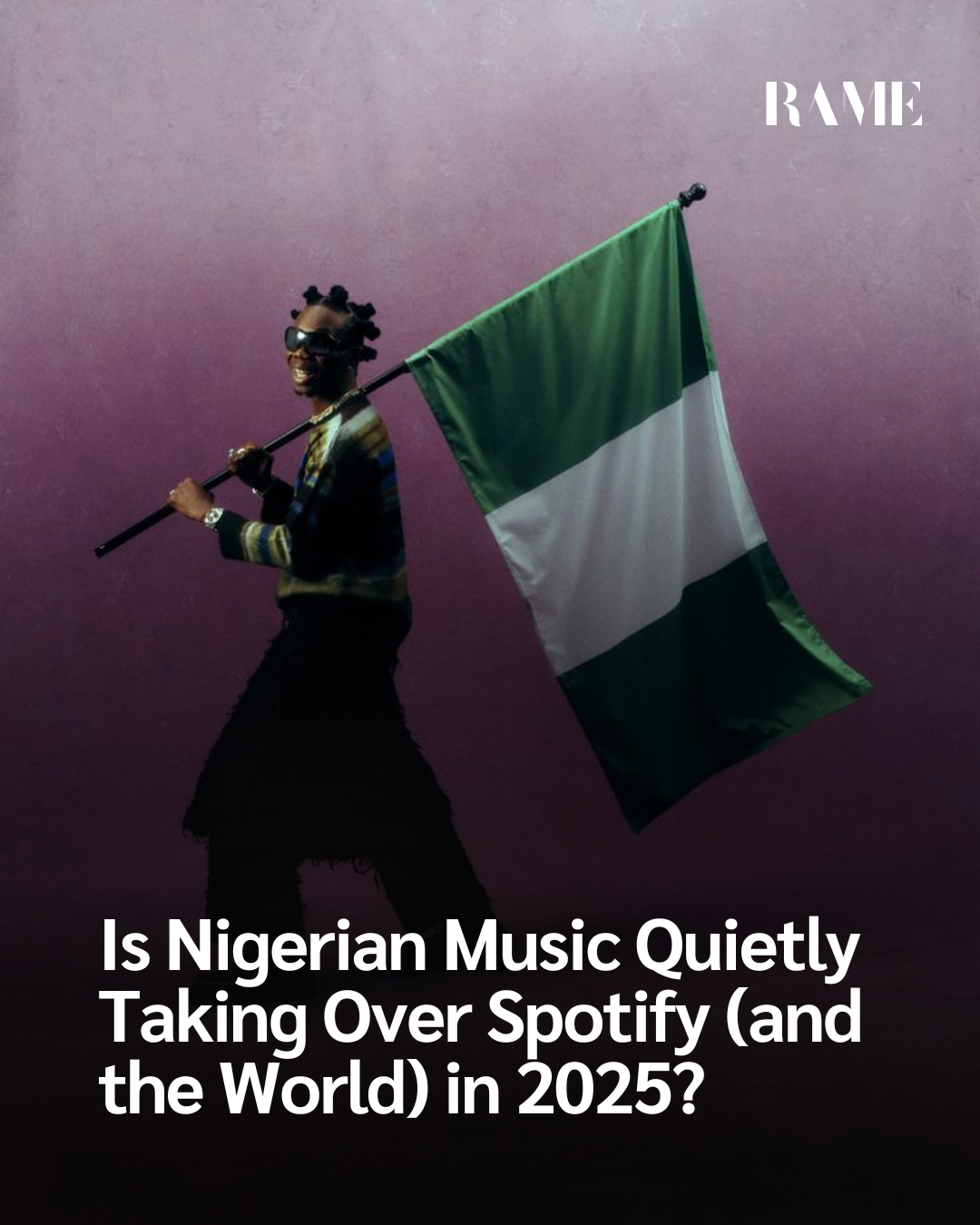
Here’s the thing: Nigerian music isn’t just thriving domestically it’s reshaping the global streaming landscape. New data from Spotify’s annual Loud & Clear report shows an unprecedented surge in both revenue and listener engagement for Nigerian artists on the world’s leading music platform. In 2025, they crossed what used to seem like distant landmarks and set new ones along the way.
Revenue Up Over 140% in Two Years
Nigerian musicians generated more than ₦60 billion (about $43.8 million) in royalties from Spotify in 2025, marking revenue growth of more than 140% over the past two years. Those aren’t just numbers they’re proof of how quickly the economics of streaming are evolving in markets outside the traditional U.S. and European strongholds.
This spike reflects stronger global demand and deepening local engagement. First-time listener discovery climbed to 1.3 billion, up 26% from 2024, indicating that Nigerian music isn’t just popular it’s consistently reaching new ears.
Listener Engagement Soars: Streams, Hours, Playlists
In raw listening figures, 2025 was a standout year:
- 30.3 billion streams of Nigerian music on Spotify.
- 1.6 billion listening hours, showing not just surface-level plays but deep engagement.
- Nigerian music appeared in nearly 320 million user-generated playlists globally.
- Over 60 million playlists featuring Nigerian tracks were created on Spotify in 2025 alone.
Local users also embraced music discovery and personalization. Nigerian listeners alone contributed more than 12 million playlists, reinforcing how streaming has reshaped what people listen to and how they curate that experience.
Independent and Female Artists Drive Growth
What’s striking about these numbers is not just volume, but diversity of growth. Streams of Nigerian female artists climbed 55% year-on-year, while independent artists saw a 75% increase. Independent artists and labels together accounted for 58% of all royalties generated a sign that creators outside major label systems are claiming economic space in a way that was once difficult to imagine.
This shift changes not just how revenue is shared, but how careers are built. When emerging talents and independent teams combine marketing savvy with creative freedom, the ecosystem becomes more competitive and more varied.
A Local Boom with Global Reach
Spotify’s own teams have been bringing curated editorial support to Nigerian creators, including adding nearly 2,000 Nigerian artists to official playlists in 2025. That matters because editorial placements remain one of the clearest paths to discovery especially for artists outside the top tier who are still building audiences.
At home, Nigerian talent dominated daily listening habits. Over 80% of tracks in Spotify Nigeria’s Daily Top 50 were by Nigerian artists, and local consumption grew 170% year-on-year. Those figures show a vibrant domestic market not just a gateway to the global stage.
Jocelyne Muhutu‑Remy, Spotify’s Managing Director for Africa, summed it up when she spoke about the country’s evolving music economy and its influence on global culture. “Nigeria’s music story continues to be one of creativity, innovation, and global cultural influence,” she said, underlining that local talent is both homegrown and globally resonant.
The Broader Streaming Context
It’s worth setting this Nigerian boom against the backdrop of the wider music industry. In 2025, global recorded music revenues grew around 6.4% to $31.7 billion, with streaming services including Spotify accounting for roughly 70% of that total. That growth wasn’t limited to English‑language markets or legacy artists, but was increasingly powered by regional sounds spreading through playlists and global discovery tools.
Challenges Beneath the Bright Numbers
Here’s the catch: even with huge engagement, the revenue per stream in markets like Nigeria is still low compared with Western countries. Analysts estimate Nigerian artists earned roughly ₦1.98 per stream in 2025, a reminder that average payout still depends heavily on geography and subscription revenues. That dynamic reinforces why global playlist visibility matters so much tracks that find traction in higher‑value markets generate proportionally more income for creators.
What This Means for the Future
The data from Spotify’s Loud & Clear report paints a clear picture: Nigerian music is both a domestic powerhouse and a global cultural force. Its growth in streams, engagement, and revenue isn’t linear it’s accelerating. But turning attention into sustainable income and long‑term career paths still requires strategic thinking and industry infrastructure that supports artists beyond a single platform.
Looking ahead, this boom could fuel broader economic impact from live music and touring to tech and creative jobs. The challenge for stakeholders, though, is to navigate how streaming revenue systems can provide fair compensation while continuing to expand access and discovery.