
A Holiday Reflection That Cut Deeper Than Festive Cheer
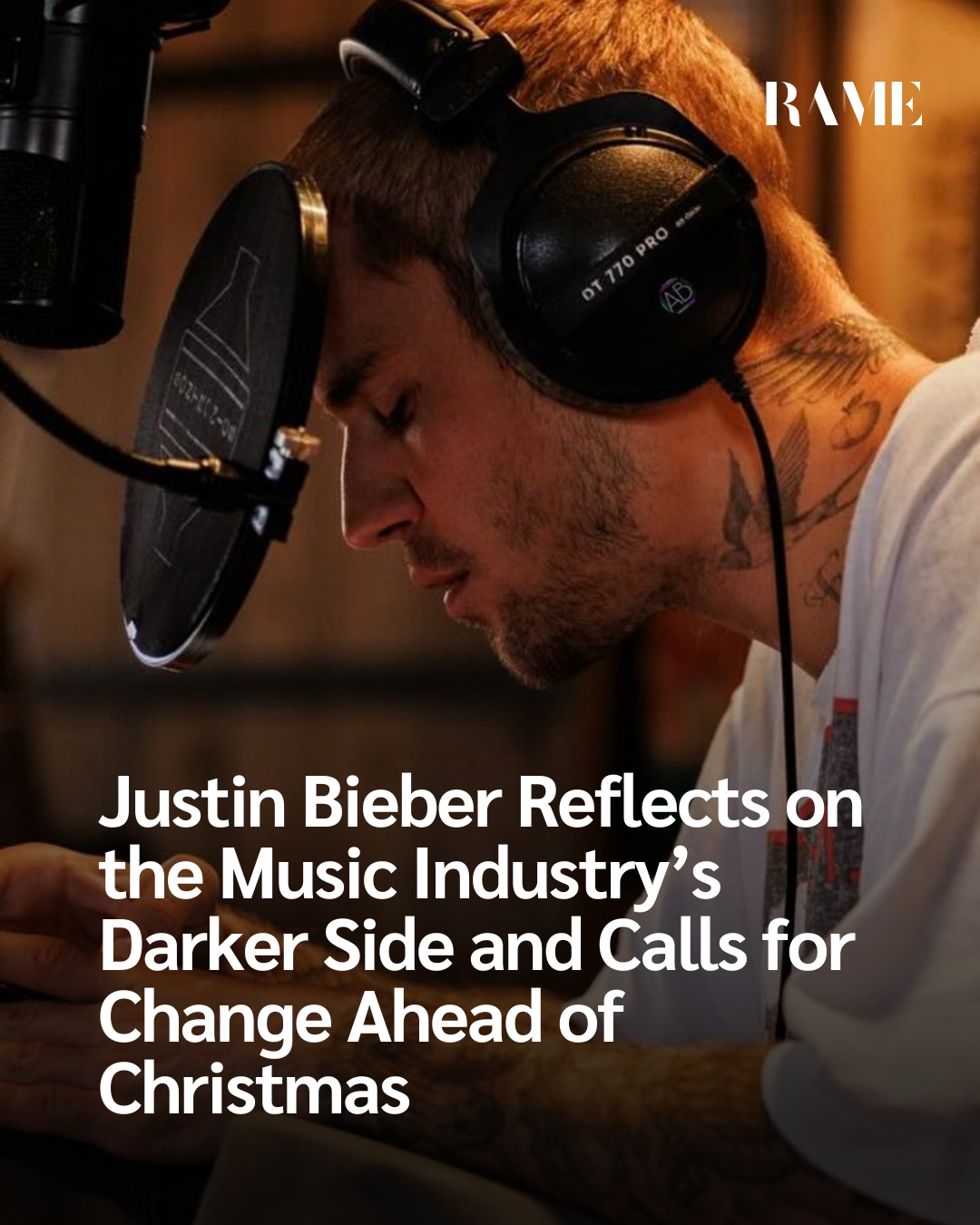
As the Christmas season approaches, Justin Bieber is using the moment not for celebration, but for introspection. In a series of emotional Instagram posts shared on December 24, the 31-year-old global pop star opened up about the toll the music industry has taken on him, blending faith, forgiveness, and a pointed call for systemic change.
The posts struck a chord with fans and industry observers alike, offering a rare, unfiltered glimpse into the long-term emotional cost of early fame and relentless pressure in pop music.
“What Truly Fulfills?” Bieber’s Message of Faith and Forgiveness
Bieber began with a question that framed the entire reflection. “Christmas time is that time to reflect and ask yourself what you really want. What truly fulfills?” he wrote.
He tied the season directly to his Christian faith, describing Christmas as “a reminder of Jesus and the free gift of forgiveness only He can offer.” Acknowledging how difficult forgiveness can be, he added, “Letting go [of] resentment is hard. Hope wherever you are you can lean into this love that meets us exactly where we are no matter what.”
The message was accompanied by a photograph of a handwritten note titled “A Message,” signaling that what followed was deeply personal rather than performative.
Growing Up in a System That Rewarded Talent, Not Well-being
In the handwritten note, Bieber addressed the structure of the music industry itself. “I grew in a system that rewarded my gift but didn’t always protect my soul,” he wrote. He described moments of feeling “used” and “rushed,” and of being shaped into something he did not fully choose.
“This kind of pressure leaves wounds you don’t see on stage,” he added, a line that echoes broader conversations about child stardom, mental health, and the cost of fame.
Bieber’s career trajectory makes his critique particularly resonant. Discovered in 2008 after posting cover songs on YouTube, he rose to international fame as a teenager following the release of Baby in 2010. By his early twenties, he was already one of the most commercially successful artists in the world, but also one of the most scrutinized.
Anger, Healing, and a Refusal to Stay Bitter
Bieber did not shy away from acknowledging unresolved emotions. “I’ve carried anger. I’ve asked God why,” he admitted. Yet he framed his faith as a source of accountability and healing rather than denial.
“Jesus keeps meeting me in the middle of the pain, not excusing what hurt me, but teaching me how not to become bitter,” he wrote. He noted that he endured pain before he could name it, and that he was part of a system that “took more than it protected.”
The tone of the message was not accusatory, but reflective. Bieber positioned himself not as a victim seeking sympathy, but as someone learning how to process and move forward.
“I Don’t Want to Burn the Music Industry Down”
Perhaps the most striking line from the post was Bieber’s clarification of intent. “I don’t want to burn the music industry down,” he wrote. “I want to see it made new – safer, more honest, more human.”
The statement places Bieber within a growing group of artists who are calling for reform rather than rejection of the industry. In recent years, musicians across genres have spoken openly about mental health struggles, exploitative contracts, and the lack of safeguards for young performers.
Bieber concluded by reframing his identity. He no longer sees himself as “a victim still bleeding,” but as “someone restored,” suggesting a deliberate shift away from anger toward responsibility and change.
Personal Moments Amid Public Reflection
Following the written message, Bieber posted two smiling selfies without a caption, offering a quieter, more intimate counterpoint to the heavy themes. He also shared glimpses of his home life, including a photo of his 16-month-old son, Jack Blues, and holiday decorations, grounding his reflections in the present rather than the past.
Earlier this month, Bieber revisited the location where he filmed the Baby music video, sharing the moment with fans and subtly marking how far he has come since his teenage debut.
A Familiar Story With Growing Urgency
Bieber’s reflections arrive amid a broader reckoning in the entertainment industry. From child actors to pop stars, stories of burnout, loss of autonomy, and delayed trauma have become increasingly visible. What distinguishes Bieber’s message is its mix of accountability, faith, and restraint.
He is not naming villains, nor positioning himself as an exception. Instead, he is asking for an industry that evolves, one that recognizes emotional well-being as more than an afterthought.
As Bieber looks ahead, his message reads less like a confession and more like a challenge. Not just to the music industry, but to audiences and institutions that benefit from young talent without always questioning the cost.