

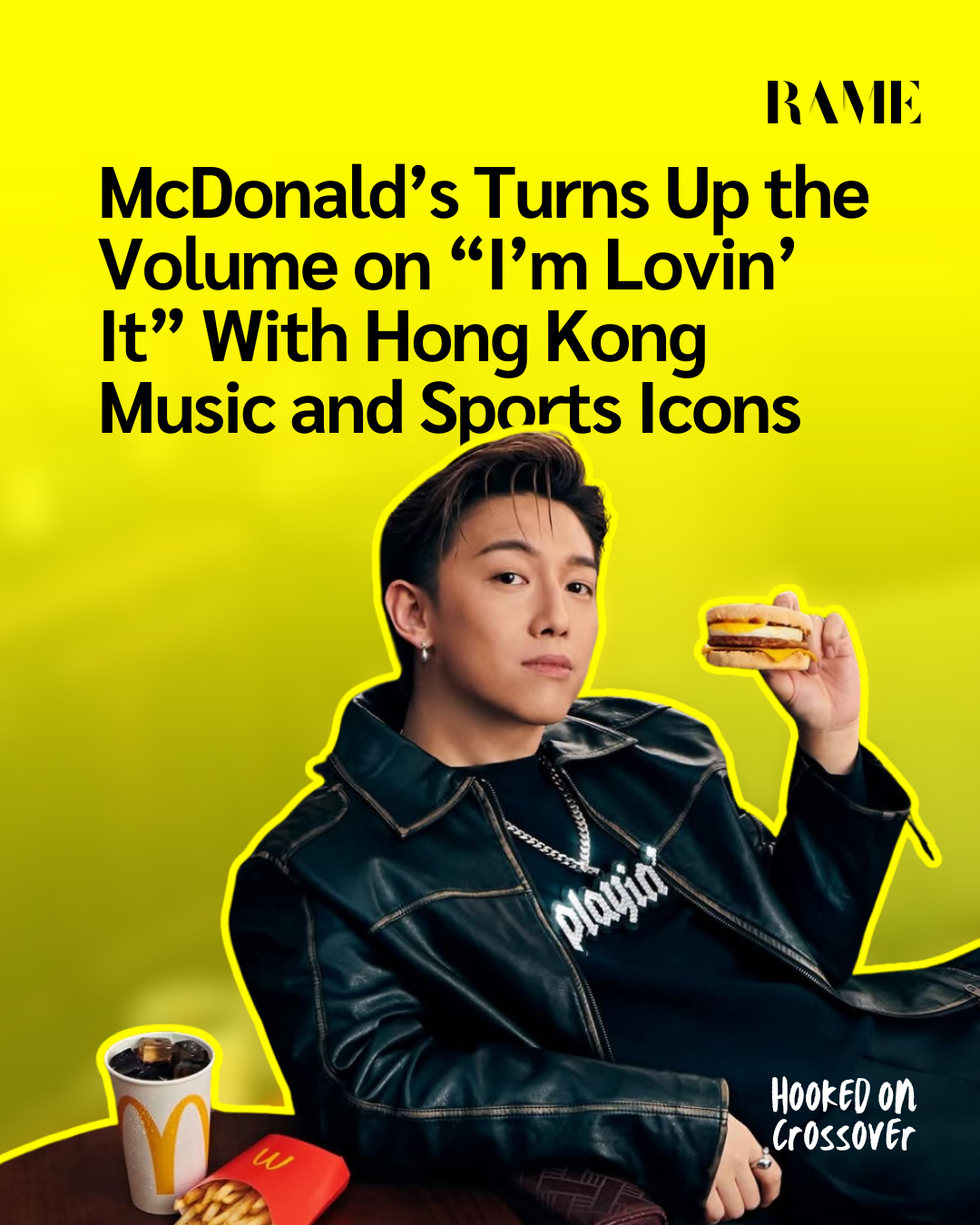
When a slogan becomes part of everyday language, it isn’t just advertising it’s cultural currency. In Hong Kong, “I’m lovin’ it” isn’t just a tag line for McDonald’s anymore. Two decades in, the phrase has transcended jingles and posters to become shorthand for authentic self‑expression. Now, McDonald’s Hong Kong is refreshing the iconic platform with a campaign that literally puts real people and personalities at the center of its brand story.
The new work, rolled out this February, isn’t about reinventing the wheel it’s about amplifying what already resonates with a new generation of customers. It blends local cultural relevance with global brand equity at a moment when fast food marketing is evolving past product pitches and toward lifestyle narratives.
A Fresh Take on a Familiar Phrase
After celebrating its 50th anniversary in Hong Kong in 2025, McDonald’s is pushing its flagship campaign into a new chapter. Partnering with BBDO Hong Kong — newly appointed as creative agency after a long run with DDB Hong Kong and media partner OMD, the brand is leveraging “I’m lovin’ it” in a way that feels less staged and more real.
At the heart of the campaign is a simple insight: customers want to show up as themselves, not as caricatures of perfection. That’s the narrative thread running through every execution, from TV commercials to social media assets.
Randy Lai, CEO of McDonald’s Hong Kong, put it plainly: “This work brings the ‘i’m lovin’ it’ idea to life in a way that reflects today’s customers’ lifestyles and attitudes.”
Andreas Krasser, CEO of Omnicom Advertising, echoed that sentiment: “Very few brands have the equity to own a letter and a simple punctuation mark. We’re excited to bring ‘i’m lovin’ it’ into the next chapter of McDonald’s Hong Kong and to see people participate in this campaign.”
Casting Real Passions: From Jammin’ to Smashin’
Four different TV commercials anchor the campaign, each built around a real person’s passion. Instead of scripted performers, the spots use talent whose public profiles align with the emotions and activities McDonald’s wants to celebrate:
- MC Cheung, Cantopop singer and performer, shown in a playful “playin’” moment tied to his Extra Value Meal.
- Panther Chan, musician and creative mind, featured in a segment centered on gaming.
- Dear Jane, a well‑known band in the local music scene, depicted as “jammin’.”
- Coleman Wong, Hong Kong’s professional tennis standout, seen “smashin’” a nod to both his sport and his approach to life.
Rather than leaning on hyper‑polished celebrity personas, each execution shows its stars engaged in everyday pursuits. The strategy is notably less about selling burgers and more about selling shared moments authenticity, passion, play, effort, energy.
Beyond the Big Screen: Community and Participation
The campaign doesn’t stop at television. It stretches across outdoor billboards, digital ads, and social platforms, inviting everyday Hong Kongers to share how they “show up” at McDonald’s. It’s an invitation to co‑create meaning around the brand and make the experience feel personally theirs.
This social extension speaks to a broader trend in brand marketing: customers are no longer passive audiences. They’re collaborators and content creators. For McDonald’s, that means the conversation now happens wherever people spend time on the streets, in mobile feeds, and around dining tables.
More Than Nostalgia: A Cultural Touchpoint
What makes this refresh more than a throwback to happy jingles is its cultural resonance. “I’m lovin’ it” has been a part of global advertising lexicon since 2003, and here in Hong Kong it’s developed its own local inflection: people joke that any English word ending in “‑n’” inevitably conjures the slogan.
By leaning into that shared linguistic quirk and tying it to real‑world personalities, McDonald’s isn’t just selling a meal it’s tapping into how people think about identity, leisure, and community in 2026.
That’s smart positioning in a market saturated with experiences, where connection and representation often matter more than the product itself.
What This Means for McDonald’s and the Market
Let’s break it down. This campaign signals three key things:
- Brand platforms can evolve, not just repeat old lines with cleaner visuals.
- Local relevance matters. By featuring Hong Kong personalities, McDonald’s sidesteps generic global ads and crafts something that feels of the city.
- Participation is currency. Inviting customers to share how they express themselves feeds engagement and creates organic, user‑generated marketing.
For marketers and brands alike, it’s a case study in balancing iconic global messaging with local cultural insights.
Looking Ahead
What this refresh really shows is that big brands don’t have to feel big and distant. When storytelling is grounded in real‑life passions and invites audiences to take part, it becomes something people remember and repeat.
Whether customers walk in for a meal, a moment, or a memory, one thing is clear: McDonald’s isn’t just inviting people to love its food it’s asking them to love how they show up in the world.
And with that, the brand moves from a familiar slogan to a living, shared experience.