

From MP3 Rebellion to Streaming Blueprint
Before Spotify playlists and on‑demand streaming reshaped how we listen to music, there was Napster a breakthrough that felt like the internet handing you the entire music catalog. It didn’t invent digital audio or peer‑to‑eer tech, but it made the concepts usable and compelling to millions, transforming music consumption and forcing the global industry to rethink its business.
Napster’s life was as brief as it was explosive. The original service lasted just a couple of years before legal actions shut it down, yet its impact rippled through the next two decades. It effectively created a cultural expectation that music should be abundant, searchable, and available instantly — expectations that still shape streaming today.
The Pop Culture Moment That Redefined Access
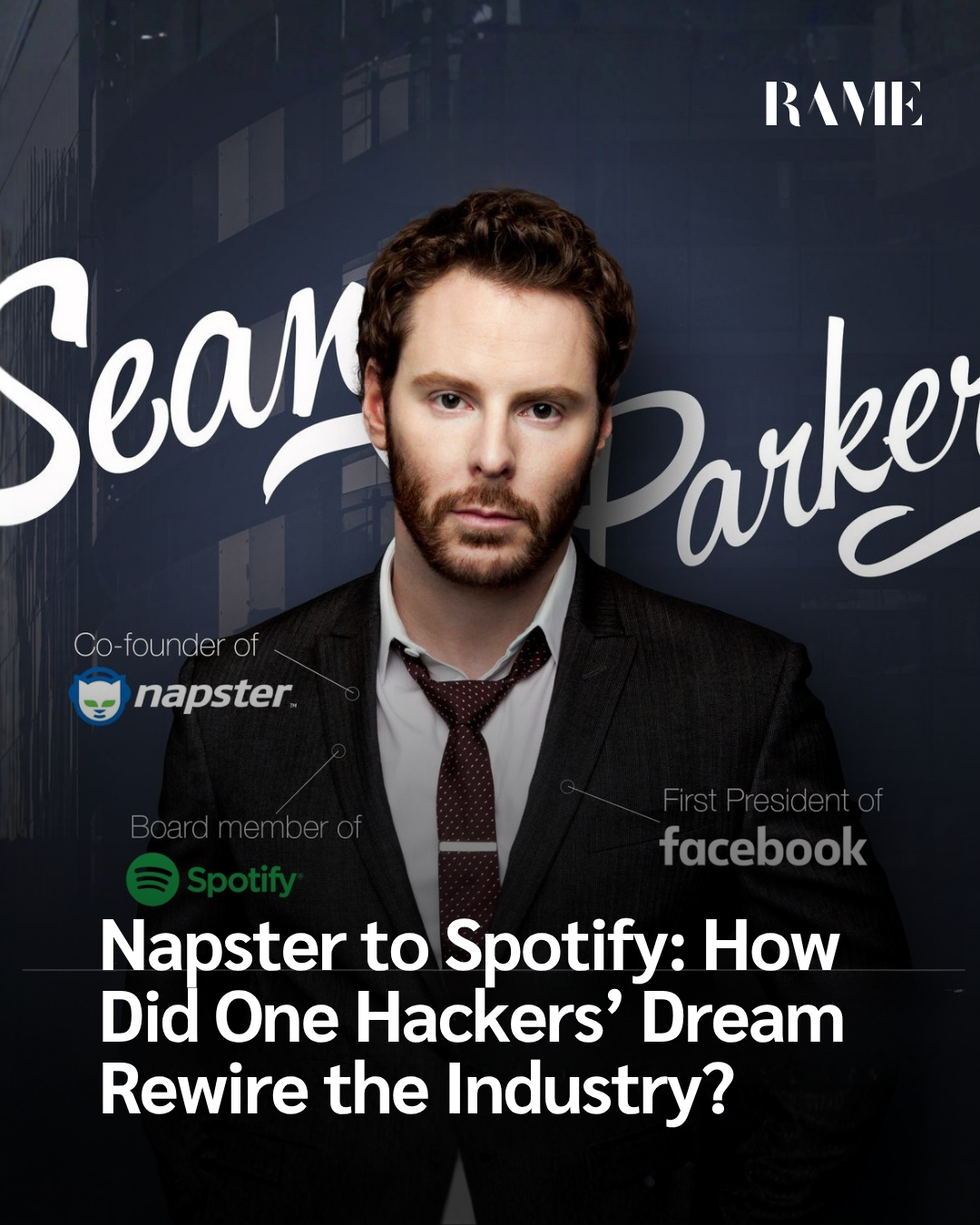
In the late 1990s, the music business was still anchored in physical media CDs were everywhere, profitable, and hard to disrupt. Then along came Napster, launched by Shawn Fanning and Sean Parker in 1999. It turned MP3 file sharing into a mass activity, especially among college students, rapidly growing to tens of millions of users.
The platform offered a simple idea: use peer‑to‑peer networking to search and download music directly from other users’ computers. It wasn’t long before some universities saw Napster traffic consume half their bandwidth, prompting blocks and debates about technology outpacing infrastructure.
The excitement wasn’t just about free tracks. It was about discovering music in new ways, skipping the gatekeeping of record labels and radio playlists. That sense of unlimited choice permanently altered listener expectations.
Legal Battles and the Backlash
Napster’s unprecedented growth drew intense scrutiny. The Recording Industry Association of America (RIAA) filed lawsuits alleging copyright infringement. The high‑profile legal battle with Metallica, spurred when the band’s unreleased track appeared on Napster, became emblematic of the clash between traditional copyright models and digital access. At a press event, Lars Ulrich delivered boxes of user data to Napster’s offices as evidence, a moment that riveted public attention.
Many artists and observers criticized these legal actions. Chuck D argued that shutting down Napster would stifle emerging artists’ ability to build audiences online — similar to how Metallica had promoted itself long ago without traditional media.
Other artists took different stances. Bands like Limp Bizkit embraced Napster for promotion, while debates swirled about whether file sharing was theft, innovative marketing, or both. The tension underscored a deeper struggle over rights, value, and the future of music distribution.
From Shutdown to a Streaming Template
In 2001, Napster was ordered to shut down after courts upheld copyright infringement claims. It filed for bankruptcy soon after, and its assets were sold multiple times. What followed was a long string of reinventions: as an online music store, a streaming service under different ownership, and eventually a brand once again poised for reinvention.
The music industry learned from the Napster era. Apple’s iTunes Store, introducing affordable digital purchases, and later subscription streaming services like Spotify were direct responses to the appetite Napster revealed for digital access. Critics now view Napster as a catalyst that forced the industry to adapt or risk obsolescence.
A Brand Transformed: From Streaming to AI
Recently, Napster’s identity has shifted once more. In 2025 the Napster brand was acquired by Infinite Reality for roughly $207 million, with plans to make it a platform focused on immersive and interactive music experiences.
By early 2026, the traditional music streaming service, the last iteration of the Napster name, abruptly shut down as the company pivoted toward AI‑driven creation tools. In its new form, Napster isn’t about delivering songs licensed from labels; it’s about enabling users to generate music using AI, aligning itself with a vision of music that emphasizes co‑creation, dynamic interaction, and personal expression.
This latest change is controversial. Critics see it as a departure from meaningful music distribution to speculative AI products, while supporters view it as an extension of Napster’s original disruptive spirit, challenging outdated structures and championing user agency.
The Legacy: Why Napster Still Matters
Here’s the thing: Napster lost its legal battle, but it won in shaping how we think about digital music. By igniting demand for instant, affordable access, it set the groundwork for digital downloads and subscription streaming. Even when Napster as a service faded, its ideas endured in the business models of Apple, Spotify, and other platforms now driving global music consumption.
Now, as the brand explores AI and immersive experiences, it raises fresh questions about ownership, creativity, and the distribution of value in music. Napster’s story isn’t just a historical footnote. It’s a living case study in how technology disrupts industry, challenges conventions, and reshapes culture.