
A Historic Financial Milestone in the Music Industry
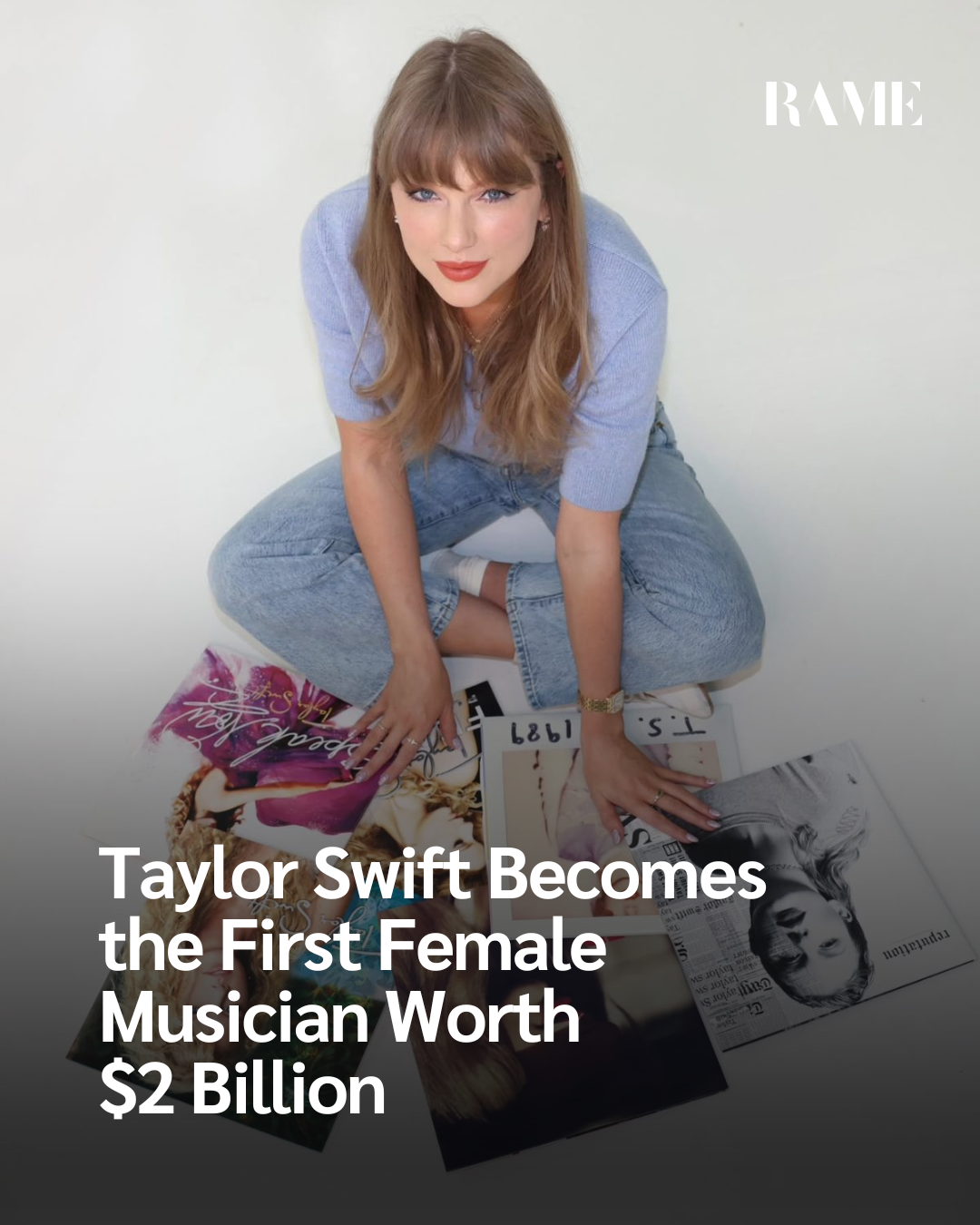
Taylor Swift has reached another defining milestone in her already record-breaking career. According to estimates published by Forbes on March 10, the 36-year-old singer-songwriter’s net worth has climbed to approximately $2 billion, making her the wealthiest female musician in history.
The achievement places Taylor Swift at No. 7 on Forbes’ World’s Celebrity Billionaires list, an elite ranking dominated by athletes, filmmakers, and entertainment moguls. Unlike many celebrities who reached billionaire status through sprawling business ventures, Taylor Swift’s fortune stands out because it has been built primarily through music itself, touring, songwriting royalties, catalog ownership, and record sales.
Her rise underscores a fundamental shift in the economics of modern pop stardom: creative ownership and global touring have become powerful engines of wealth.
Building a Billion-Dollar Empire Through Music
A defining aspect of Taylor Swift’s financial success is her ownership and control over her music catalog. According to Forbes, the catalog alone is valued at roughly $900 million, driven by decades of hits and the massive commercial resurgence created by her “Taylor’s Version” re-recordings.
The re-recording strategy began after the masters of Taylor Swift’s first six albums were sold without her ownership. By re-recording those albums, Swift not only regained creative control but also effectively redirected streaming and licensing revenue toward her new versions.
Industry analysts see the move as a landmark shift in artist power. Speaking to Billboard, music business commentators have described the strategy as a blueprint for artists seeking ownership in a system historically dominated by record labels.
The result is a catalog that continues to generate revenue through streaming platforms, licensing deals, and global fan demand.
The Eras Tour: Redefining the Economics of Live Music
The Eras Tour became a defining force behind Taylor Swift’s billionaire milestone. The tour concluded in December 2024 after 149 shows across multiple continents, grossing over $2 billion in ticket sales, making it the highest-grossing concert tour in history.
The scale of the tour reshaped the touring industry:
- Over 10 million tickets sold globally
- Average ticket price around $204
- Stadiums consistently selling out within minutes
- More than three hours of performance per show
Earlier estimates from industry tracker Pollstar indicated the tour surpassed the $1 billion mark at unprecedented speed, making it the first tour ever to cross that threshold.
It also eclipsed the previous record set by Elton John’s farewell tour and outpaced global tours by artists such as Beyoncé and Bruce Springsteen.
Beyond ticket sales, Taylor Swift monetized the tour through merchandise, film distribution, and streaming boosts across her catalog. The accompanying concert film, Taylor Swift: The Eras Tour, became the highest-grossing concert film ever, further expanding the financial impact.
Music Charts and a Career Still Ascending
Taylor Swift’s financial milestone arrives at a moment when her commercial dominance remains as strong as ever.
Her twelfth studio album, The Life of a Showgirl, released in October 2025, debuted at No. 1 worldwide and quickly became one of the year’s best-selling albums. The album’s lead single, “The Fate of Ophelia,” debuted atop the Billboard Hot 100 and held the top spot for 10 consecutive weeks, marking the longest-running No. 1 hit of Taylor Swift’s career.
Another single from the album, “Opalite,” also reached No. 1 earlier in 2026.
The achievement placed Taylor Swift in a tie with Rihanna for the third-most No. 1 hits in Billboard Hot 100 history, with 14 chart-topping songs each.
These chart successes reinforce a rare phenomenon in the music industry: an artist who is both commercially dominant and culturally influential decades into their career.
Real Estate, Branding, and Cultural Power
Outside music, Taylor Swift’s wealth includes a real estate portfolio estimated at roughly $100 million, with properties in major cultural hubs such as New York, Los Angeles, and Nashville.
Yet the bulk of her fortune still stems from the creative output that built her global fanbase.
Taylor Swift’s cultural influence extends beyond revenue metrics. Her tours have been credited with generating billions in local economic impact, boosting tourism, hospitality, and retail sectors in cities worldwide. Economists even coined the term “Swiftonomics” to describe the surge in spending associated with her concerts.
Meanwhile, the singer’s philanthropy has continued alongside her financial growth. In 2025, Taylor Swift donated $1 million to Feeding America and distributed millions in bonuses to crew members working on The Eras Tour, further strengthening her reputation as one of the industry’s most generous artists.
A New Model for Music Industry Success
Taylor Swift’s ascent to billionaire status highlights a transformation in the music business.
Where earlier generations relied heavily on record sales controlled by labels, Taylor Swift’s career demonstrates how ownership, streaming, touring, and direct fan engagement can generate unprecedented wealth for artists.
Her path also contrasts with other celebrity billionaires whose fortunes come from fashion lines, alcohol brands, or tech investments. Taylor Swift’s wealth is notable because it remains overwhelmingly tied to the music she writes and performs.
The Legacy of a Self-Made Music Billionaire
Swift’s $2 billion fortune represents more than a financial milestone. It signals a new era in which musicians can wield greater control over their art, their catalogs, and their economic futures.
From rewriting industry norms with re-recorded albums to transforming global touring economics, Taylor has built a career that blends artistic ambition with strategic business acumen.
As the music industry continues to evolve in the streaming age, Swift’s trajectory raises a compelling question: is this the future blueprint for global superstardom, or an extraordinary success that only a handful of artists can replicate?
Either way, one thing is certain. The story of Taylor Swift’s empire is not just about wealth. It is about how modern artists can turn creative ownership into lasting cultural and economic power.