
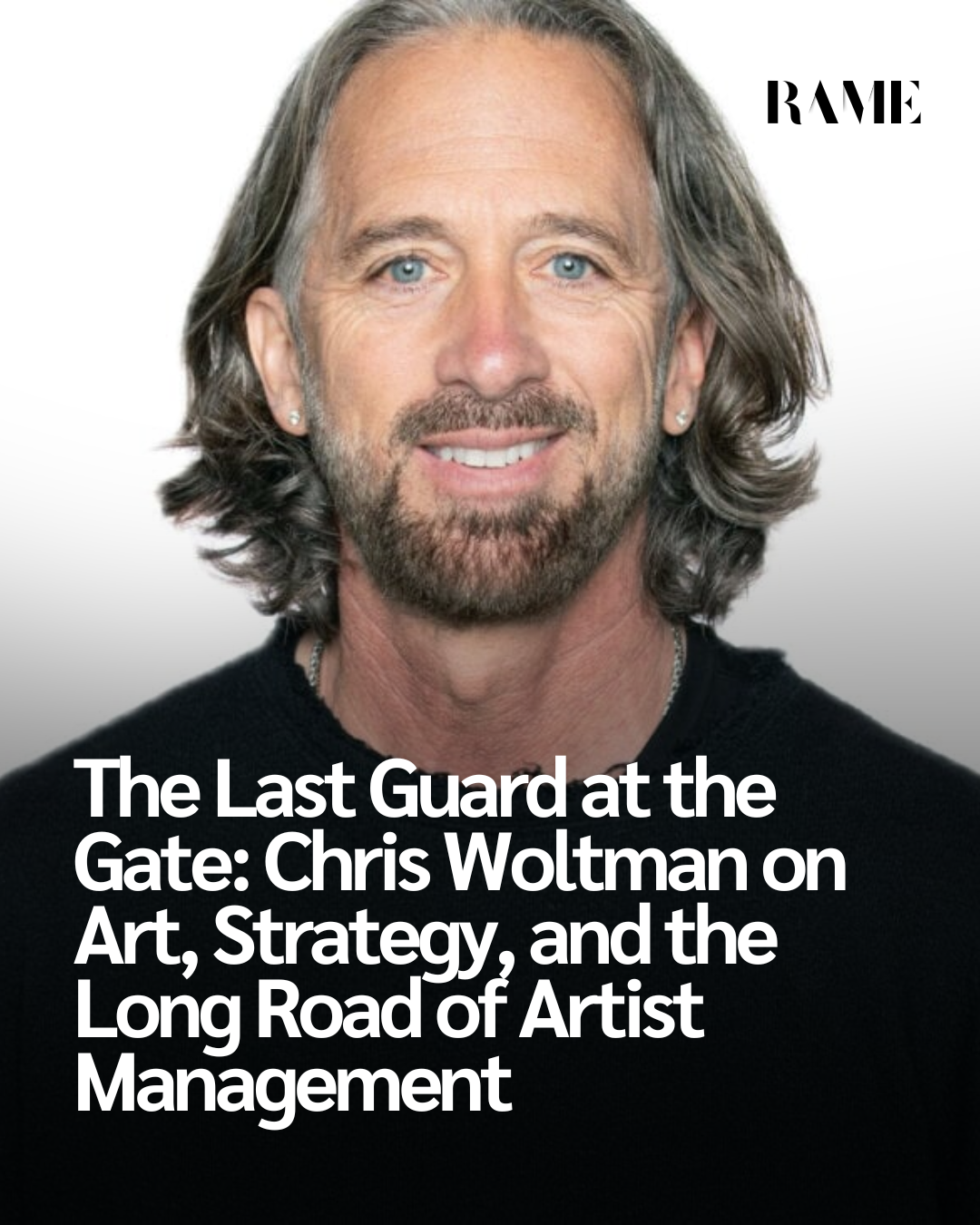
A CALL FROM THE EYE OF THE STORM
In 2015, Twenty One Pilots were the most talked-about band on the planet. Their breakthrough single “Stressed Out” was everywhere radio, charts, streaming services and their faces were plastered across screens from São Paulo to Stockholm. Amid the noise, a call came through. Tyler Joseph, frontman of the band, called his manager from Columbus, Ohio.
“Everywhere I go, I hear my voice,” he said.
That’s when Chris Woltman made the kind of decision that separates managers from caretakers. Instead of pushing harder, he told the band to go dark.
Most managers would have told them to double down. Woltman shut the machine off.
THE POWER OF SAYING “NO”
What Woltman understood and most in the business still struggle with is that artist development isn’t about seizing every headline. It’s about protecting the work. As he put it, “There was enough music in the market, so the fanbase that was coming in had to dig deeper.”
That move, in hindsight, wasn’t just gutsy. It helped Twenty One Pilots build a durable, global fanbase. Their recent Clancy tour, which ended in May with two sold-out shows at London’s O2 Arena, sold over 1.1 million tickets worldwide. The follow-up album Breach is due in September, and its lead single “The Contract” has already hit 20 million Spotify streams.
For a rock band in 2025, that kind of longevity is rare. But it’s no accident.
FROM COLUMBUS CLUBS TO GLOBAL STAGES
Woltman started on the ground. Literally. Promoting shows in Columbus’ Newport Music Hall, booking bands, handling load-ins, and settling box offices. He later moved into the label world Sony, Columbia, J Records, RCA working under industry giants like Clive Davis and handling careers for Foo Fighters, The Strokes, and Kings of Leon.
But as the record industry ignored the digital tide post-Napster, Woltman pivoted. He founded Element1, first as a hybrid label-management setup, and eventually as a full-time management agency. It now handles artists like platinum-selling rapper NF and genre-bending group The Band Camino.
He’s also re-entered the label space via ARRO, a joint venture with Tyler Joseph and Atlantic Records, signing breakout act Balu Brigada.
Woltman’s approach to every move? “It has to feel right.”
LONG GAME STRATEGY IN THE STREAMING ERA
Woltman doesn’t buy into the TikTok lottery mindset. “You don’t get 14 years into a career by skipping any steps,” he says. Even as Stressed Out went nuclear, Woltman was already thinking long-term: “We were on an arena run that was 72% sold out before the song even took off.”
Their solution was unusual. The band went offline for a full year. No social media. No content churn. “There was all the success before there was all the success,” he says. That quiet period deepened the band’s mystique and strengthened their fanbase.
REDEFINING THE ROLE OF A MANAGER
Woltman sees his job not as a gatekeeper to fame but as a guardian of the artist’s voice. “You sit within the core of the brand,” he explains. “You work with your agents, your promoter partners, your label and publishing partners. But most importantly, your job is to be the last guard at the gate.”
It’s a role that has expanded massively in the modern music industry. With major labels moving away from artist development, managers now carry more weight than ever.
Still, he believes labels can play a crucial role if approached correctly. “There’s something about the magic of a label… When you hit go, there’s value in that global push.” But artists, he warns, shouldn’t rely on labels to drive the whole ship. “They’re not your business engine. That’s still your job.”
THE STATE OF ROCK, STREAMING, AND WHAT’S NEXT
The music business has shifted again. Hip-hop’s dominance is plateauing, country is rising, and rock especially artists like TOP is finding new life in the streaming era. But the economics of it all? Still broken.
“Do TOP make enough money from streaming? No,” Woltman says flatly. “Music is the lifeblood of it all. Feeling like the artist deserves more of that revenue is a valid argument.”
He believes change is coming. Slowly. But artists, he says, must lead the charge. “You have to be prepared to re-invest in your career. Ultimately, it is your career.”
ON AI, LABEL BUYOUTS, AND WHAT CAN’T BE REPLICATED
Woltman is unphased by the threat of AI. “They can press a button and it can sound like Twenty One Pilots, but it’s not.” He points to the emotion behind real songwriting and performance. That human spark, he argues, still matters.
As for acquisitions? Offers have come for Element1. But for now, he’s staying independent. “The idea of being able to run your business how you want to run it, even in partnership, is key.”
THE TAKEAWAY: PROTECT THE ART
What this all comes down to is a simple principle: protecting the art. Woltman isn’t interested in building hype for hype’s sake. He’s focused on building careers that matter, brands that endure, and music that actually means something.
“In this industry,” he says, “if your vision is for long-term, sustainable careers, what it’s always been about is still what it’s all about: make great bodies of work, get out on the road, and build a community.”
That kind of discipline, especially now, is rare. And it’s exactly what makes his work stand out.