

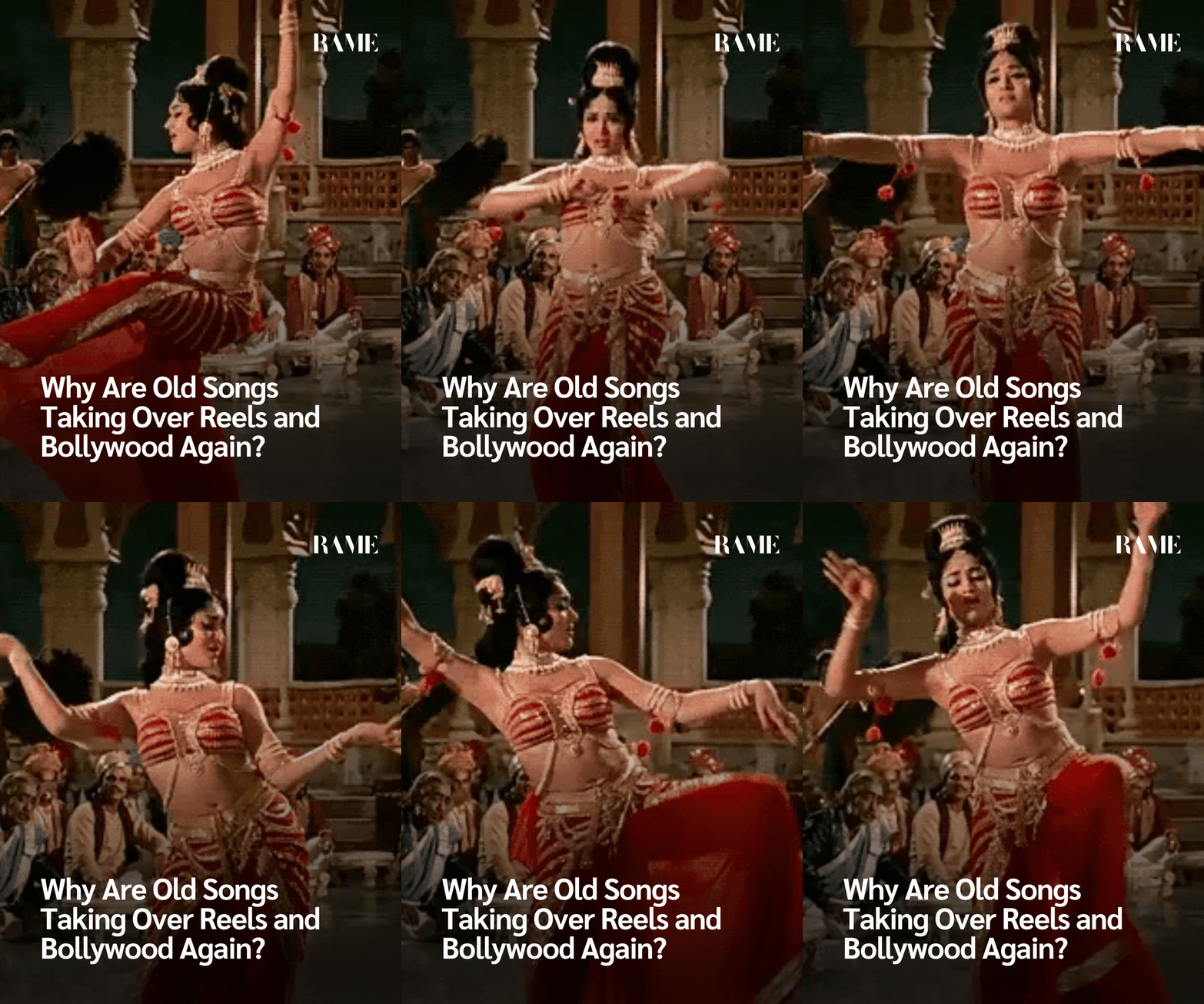
It feels like a wave you can’t ignore. Scroll through Instagram Reels or YouTube Shorts and you’re immediately hit with the sounds of earlier decades — catchy hooks you once danced to at college parties now underscore breakup edits, throwbacks, and memes. But this “retro renaissance” isn’t just random nostalgia. In 2026, old songs resurfacing across social media and Bollywood is part cultural memory, part strategy. What started as fleeting callbacks has turned into a structural trend reshaping how music lives and circulates in the digital age.
The Social Media Engine: Why Reels and Shorts Love Old Music
Here’s the thing: old songs have built‑in emotional architecture.
Platforms like Instagram Reels, TikTok, and YouTube Shorts function by rewarding content that hooks viewers fast. Familiar soundtracks do exactly that they pull people in emotionally within seconds. That snap recognition is gold for engagement metrics like watch time and shares, and algorithms amplify what keeps people watching.
A study of TikTok’s influence on re‑popularity shows this is not mere anecdote older tracks consistently resurface because the platform’s design favors sounds users have seen before.
In practical terms, a nostalgic soundtrack makes a “2016 flashback reel” feel instantly relatable. That emotional shortcut is the core reason old hits keep looping back into feeds and playlists.
Structured Nostalgia: Creators, Algorithms and Repeatable Formats
Nostalgia itself has become a predictable content format.
Creators don’t just drop old tracks in at random they build entire trends around them. Think templates like “songs turning 10 years old,” “back to the early 2000s,” or slow‑motion memory dumps set to classic beats. Once a sound gains traction, algorithms push it further and faster.
This repetition doesn’t just revive a song temporarily it trains platforms to recommend it, making tracks from decades past feel new all over again.
Bollywood’s Role: The Dhurandhar Effect
Bollywood hasn’t sat on the sidelines. Franchise films like Dhurandhar and its sequel Dhurandhar: The Revenge are tapping this cultural momentum by weaving retro hits into their soundtracks and narratives not as throwaway background music, but as dramatic, multi‑layered storytelling tools.
In Dhurandhar: The Revenge, tracks originally popular in the early 2000s and earlier songs such as Aari Aari and others from the classic catalogue have been reworked with modern production, trap beats, or narrative placement that intentionally resonates with both older audiences and Gen Z. By blending the familiar with new twists, these films are helping bridge generations and keep those older hits culturally relevant.
Singer Saapna Mukerji, for instance, praised director Aditya Dhar for keeping the soul of the iconic track Oye Oye alive through its modern cinematic use, noting that the song “has travelled beyond time.”
Beyond Dhurandhar: A Wider Bollywood and Cultural Wave
It’s not just one franchise. Multiple recent Bollywood and regional films are leaning into classic soundtracks, using them as:
- Background scores that anchor emotional beats
- Remix numbers for dance sequences
- Trailer hooks that immediately signal vibe and era
This reuse isn’t superficial. Rather, it acknowledges that audience engagement today is partly shaped by familiarity and that familiarity can be engineered rather than stumbled upon.
Why This Resonates: Practical and Psychological Factors
Old music reduces friction.
Audiences don’t need time to “discover” a track. They already know it. That means they’re more likely to stay through a reel, share a clip, or replay a trailer all signals platforms reward.
For creators and filmmakers, that translates into predictable engagement. It’s safer than launching an entirely new song into a crowded digital environment, where discovery can be unpredictable.
At the same time, there’s a deeper cultural element at play: in a fast‑changing world, older songs give listeners young and old an anchor in shared memory and identity.
Conclusion: The Trend Ahead
What feels like nostalgia is actually part of a broader cultural loop where platforms, creators, and media industries reinforce each other. Old songs are not just being revived they’re being recontextualized. Social media’s structural incentives and Bollywood’s remix creativity have created a feedback loop that ensures these tracks keep coming back.
So unless audience engagement suddenly pivots away from familiarity, expect this trend to continue with classic songs finding new lives in ever‑evolving digital and cinematic spaces.