

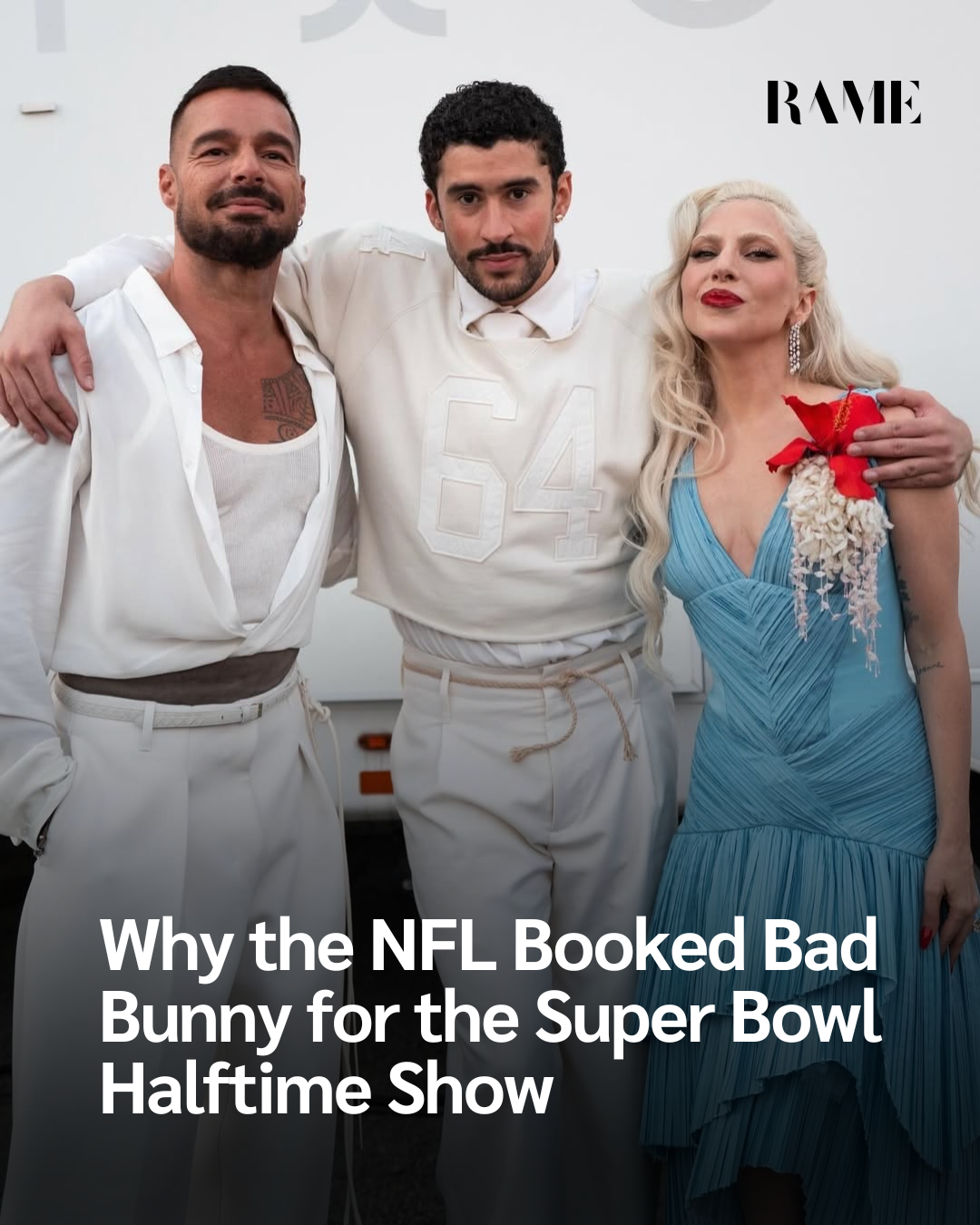
Bad Bunny headlining Super Bowl LX wasn’t just another halftime booking. It became one of the most talked-about decisions in NFL history eliciting cheers from fans and sharp criticism from political figures alike. What’s really going on here goes beyond music and into cultural identity, media strategy, and American demographics.
Here’s the thing: the NFL has a long record of balancing controversy with popularity. Booking Bad Bunny, one of the most streamed artists worldwide — was as much a business and cultural decision as an entertainment one.
A Brief History: Super Bowl Halftime and Culture Wars
To understand the stakes, you have to go back to 2018. The league endured intense backlash over player protests during the national anthem, centered around Colin Kaepernick. That political stand-off triggered broader debate among fans, sponsors, and politicians including former President Donald Trump about patriotism and entertainment. In 2019 the NFL picked Maroon 5 for the halftime show, a choice that critics said lacked cultural resonance and failed to excite viewers.
From that moment, the league quietly shifted its approach. Roger Goodell, the NFL commissioner, and Robert K. Kraft, owner of the New England Patriots, agreed that the Super Bowl halftime needed cultural credibility to stay relevant. They partnered with Roc Nation, the entertainment company founded by Jay-Z, to select performers and help shape the NFL’s narrative in music and social justice.
Why Bad Bunny Makes Strategic Sense
Bad Bunny, born Benito Antonio Martínez Ocasio, isn’t just a global music star. He dominated streaming platforms in 2025 and brought Latin music into the mainstream like few artists before him.
Musically and commercially, the choice makes sense:
• He’s broken records and topped charts worldwide.
• His fan base spans demographics that the NFL wants to attract younger listeners and Hispanic audiences.
• His presence signals that the halftime show is a cultural platform, not just a musical interlude.
As Roc Nation sources put it, the strategy is to book “the cultural artist of the year.”
Politics, Backlash, and the NFL’s Calculus
Here’s where it gets complicated. Bad Bunny has been outspoken on social issues from Puerto Rico’s struggles with gentrification to criticism of U.S. immigration policies under the Trump administration. Right-wing commentators labeled him a “massive Trump hater” and criticized his decision to skip U.S. dates on his world tour over fears of immigration enforcement.
When the Super Bowl headliner was announced, conservative figures including some political leaders weighed in. Kristi Noem, then Secretary of Homeland Security, publicly warned about immigration enforcement at the event. And political activists even organized alternative halftime content in protest.
But the NFL’s leadership didn’t blink. Goodell made clear that the priority was not political alignment but audience reach: “I don’t want to pick the music that I listen to ’cause none of you would come to the halftime show,” he said, underscoring the league’s focus on popularity and cultural relevance.
Even Jay-Z himself shrugged off the criticism, saying “They love him,” in response to backlash, a hint that the loudest opponents might not reflect the broader audience.
What the Show Meant on the Ground
On February 8, 2026, at Levi’s Stadium in Santa Clara, California, Bad Bunny delivered a halftime show that was almost entirely in Spanish, the first in Super Bowl history.
The performance was widely viewed averaging over 128 million viewers and was a cultural moment for many. It featured strong Latin imagery, a celebration of heritage, and inclusivity gestures that resonated with communities underrepresented on such stages. Moments from the show, like dancers expressing queer representation, became viral symbols of inclusivity.
At the end, Bad Bunny held a football inscribed with “Together, We Are America,” a symbolic finale for a show that celebrated diversity in people and culture.
Yet reactions varied. Some viewers appreciated the representation; others said they didn’t connect with music in Spanish or felt halftime should stay apolitical.
What This Means for the NFL
Goodell and the NFL weighed the risk of controversy against the reward of cultural relevance. Reaching younger and more diverse audiences is crucial for the league’s future ratings and brand health. And while some traditionalists bristle at progressive entertainers or non-English performances, the data suggests millions were watching, sharing, and engaging.
Here’s the thing: the Super Bowl halftime show has always reflected broader cultural shifts from rock stars to pop icons to hip-hop legends. Bad Bunny’s moment was no exception.
Conclusion: A Signal of Changing Times
Bad Bunny’s Super Bowl halftime show wasn’t just about one artist on one stage. It was a calculated decision by the NFL to stay culturally relevant, to embrace global influences, and to speak to audiences outside its traditional fan base.
Whether you loved it or hated it, the choice reflects a league that knows entertainment choices now carry cultural weight. And in an increasingly diverse America, that weight might be exactly what keeps the Super Bowl and the NFL at the centre of conversation.